News Coatings Technologies
QSPR models forecast Tg across diverse polymer libraries
A comparative study evaluates several machine learning-based QSPR techniques for predicting the glass transition temperature (Tg) of polymers across a broad dataset. Using 250 polymers and 17 selected molecular descriptors, a Multi-Layer Perceptron model achieved the highest predictive accuracy, offering a valuable tool for accelerating polymer design and thermal property assessment.
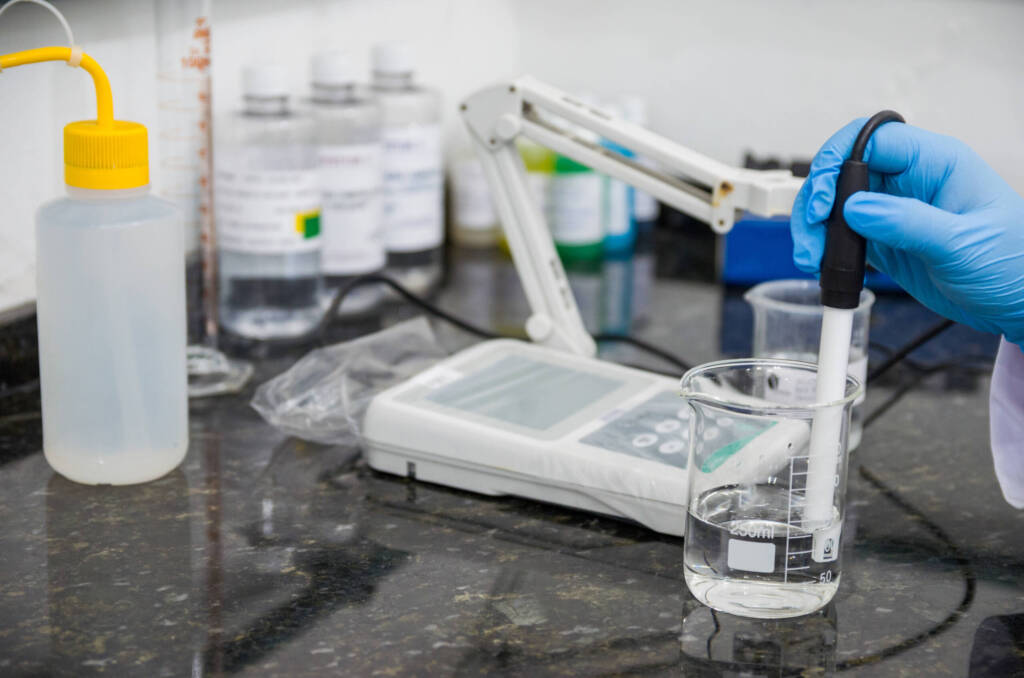
Polymers are essential materials in numerous industries, from aerospace and automotive to biomedical and coatings applications, where their behaviour under different thermal conditions is a critical performance factor. The glass transition temperature (Tg) is one of the most important thermal parameters for amorphous polymers, as it defines the temperature range in which a material can be used reliably. However, experimental determination of Tg is time-consuming, costly and difficult to apply across large polymer libraries, making computational prediction methods increasingly attractive.
To address this challenge, Keya, Daghighi, Casanola-Martin, Xia and Rasulev developed and compared a series of machine learning-based Quantitative Structure-Property Relationship (ML-QSPR) models using a dataset of 250 polymers. The workflow integrates cheminformatics with machine learning to establish quantitative correlations between the structural attributes of the polymers and their measured Tg values. An initial ML-QSPR model based on a Genetic Algorithm (GA) combined with Multiple Linear Regression (MLR) was used to identify an optimal set of molecular descriptors from a large pool of candidates.
Reading tip: Automation & Digitalisation
How are automation and digitalisation reshaping the coatings industry? The EC Tech Report “Automation & Digitalisation” offers a comprehensive overview of how cutting-edge technologies are driving efficiency and sustainability in research, development and production. This multimedia publication brings together technical articles, market analyses, conference recordings and book excerpts – covering topics such as combinatorial and high-throughput technologies, automated quality control and modular production systems. It provides practical insights into how coatings professionals can leverage automation and digitalisation to optimise development workflows, conserve resources and enhance production efficiency.
Comparative evaluation of five ML algorithms
Building on this descriptor selection, various non-linear machine learning algorithms were then applied for comparative purposes and predictive analysis. These included Support Vector Regression (SVR), Gaussian Process Regression (GPR), Random Forest (RF) and a Multi-Layer Perceptron (MLP) neural network. Each method offers specific strengths in handling different aspects of dataset variability, from transparent linear relationships to complex non-linear structure-property patterns.
The results demonstrate that the MLP model, driven by 17 carefully selected molecular descriptors, provided the most accurate predictions. It achieved training and external validation R² values of 0.82 and 0.79, respectively, indicating a robust predictive performance across a chemically diverse polymer set. The analysis also highlighted the role of specific structural descriptors in refining Tg predictions, contributing to a deeper mechanistic understanding of the relationships between polymer chemistry and thermal behaviour.
Implications for polymer and coatings design
By combining cheminformatics with a comparative evaluation of multiple ML algorithms, the study bridges the gap between theoretical modelling and practical polymer design. The developed ML-QSPR framework can help researchers and formulators rapidly estimate Tg values for large sets of candidate polymers, significantly reducing the reliance on labour-intensive experimental screening.
For the coatings industry, where polymer selection and formulation strongly influence mechanical performance, application windows and long-term durability, such predictive tools offer clear practical value. They support the accelerated development of new binder systems with tailored thermal profiles and can be integrated into digital formulation workflows aimed at more efficient and sustainable materials design.
Source: Keya, K. N. et al., Comparative evaluation of machine learning-based QSPR techniques for predicting polymer glass transition temperature. Discover Materials 6, 154 (2026).