News Markets & Companies
Chemical and pharmaceutical industry: half-year results for 2026 show continuing crisis
The half-year results 2026 of the German Chemical Industry Association (VCI) point to a persistently strained economic situation in the chemical and pharmaceutical industry. Falling production, declining sales and investment, and geopolitical uncertainties characterise the gloomy picture.
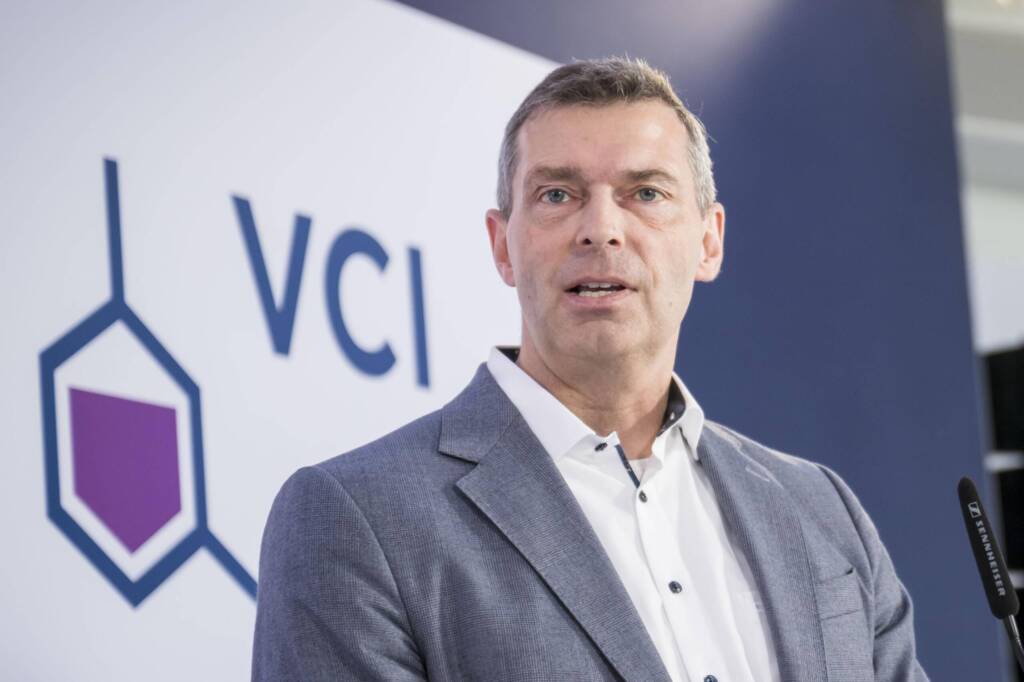
Germany’s chemical and pharmaceutical industry is unable to shake off its persistent crisis in the first half of 2026 either. According to the latest half-year results from the German Chemical Industry Association (VCI), production fell by around three per cent compared with the previous year, while sales declined by one per cent to EUR 106 billion. The drop in capital investment in property, plant and equipment is particularly severe: falling for the third time in a row, it now stands 15 per cent below the 2023 level.
VCI President Markus Steilemann described the results as “disappointing” and stressed that the slight upturn does not represent a sustainable recovery. “We are only experiencing a breather, not a turnaround,” Steilemann explained. The VCI attributes the temporary stabilisation of domestic business to special geopolitical factors, such as the closure of the Strait of Hormuz, which briefly eased competitive pressure from Asia. In addition, companies are stocking up their warehouses as a precaution against possible supply bottlenecks resulting from the war in the Gulf.
Weak exports and high barriers to investment
Despite these temporary effects, the situation remains difficult for many companies. The industry’s exports remain weak, and many production facilities are underutilised. For the year as a whole, the VCI expects production to fall by 1.5 per cent. Moreover, Germany is under considerable pressure in international competition: high energy and production costs, along with bureaucratic hurdles, are regarded as key barriers to investment.
Particularly worrying is the low net investment ratio in Germany, which, according to one study, now stands at only around 0.2 per cent of economic output. Across Europe, too, production capacity is declining, without sufficient investment being made in future technologies.
Reform agenda as a source of hope
The VCI is calling for comprehensive structural reform to secure the competitiveness of Germany as an industrial location. Steilemann stresses that the federal government’s reform package is the “first serious attempt in years” to reduce regulatory hurdles. The association is pressing for competitive corporate taxes, lower labour costs, faster approvals and less bureaucracy in order to improve the unfavourable conditions.
Despite the current challenges, the VCI continues to see great potential for Germany as a location. “Germany has the industrial substance and the innovative strength, said Steilemann. “Now is the time to bring these strengths to fruition once again.” The association calls for a change in mentality towards a greater willingness to change and take personal responsibility, in order to seize the opportunities presented by transformation.