News Coatings Technologies Production & Lab
Membrane reactor enables climate-neutral lime production
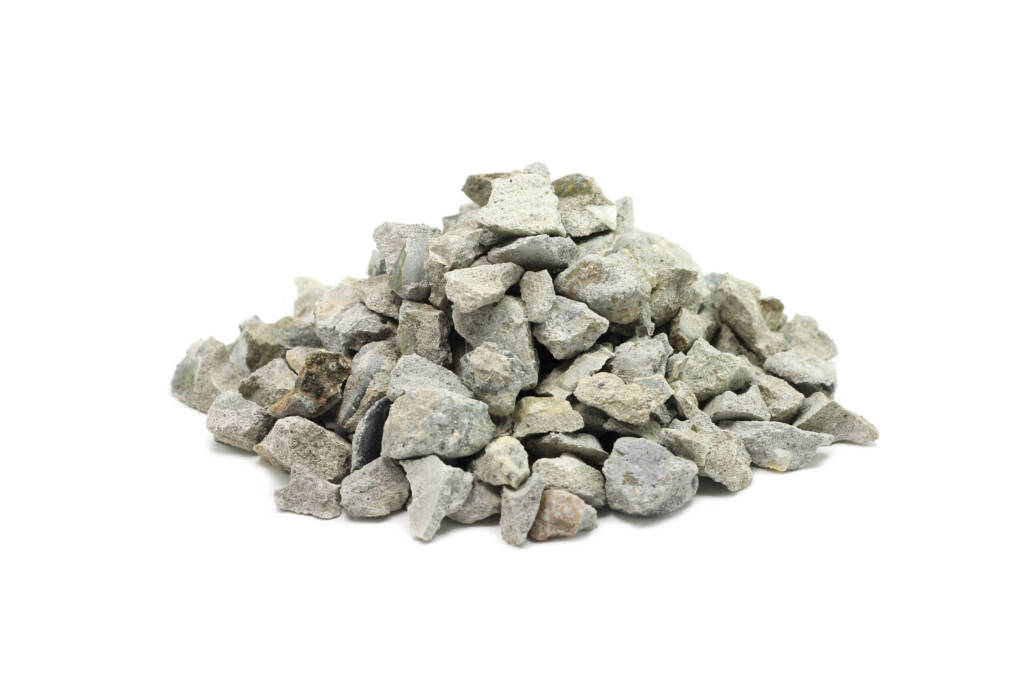
Researchers at Fraunhofer IKTS have developed a membrane reactor that enables climate-neutral lime production. The technology captures process-related CO2 emissions and converts them into methane, hydrogen and elemental carbon, providing valuable new raw materials for industry and agriculture.
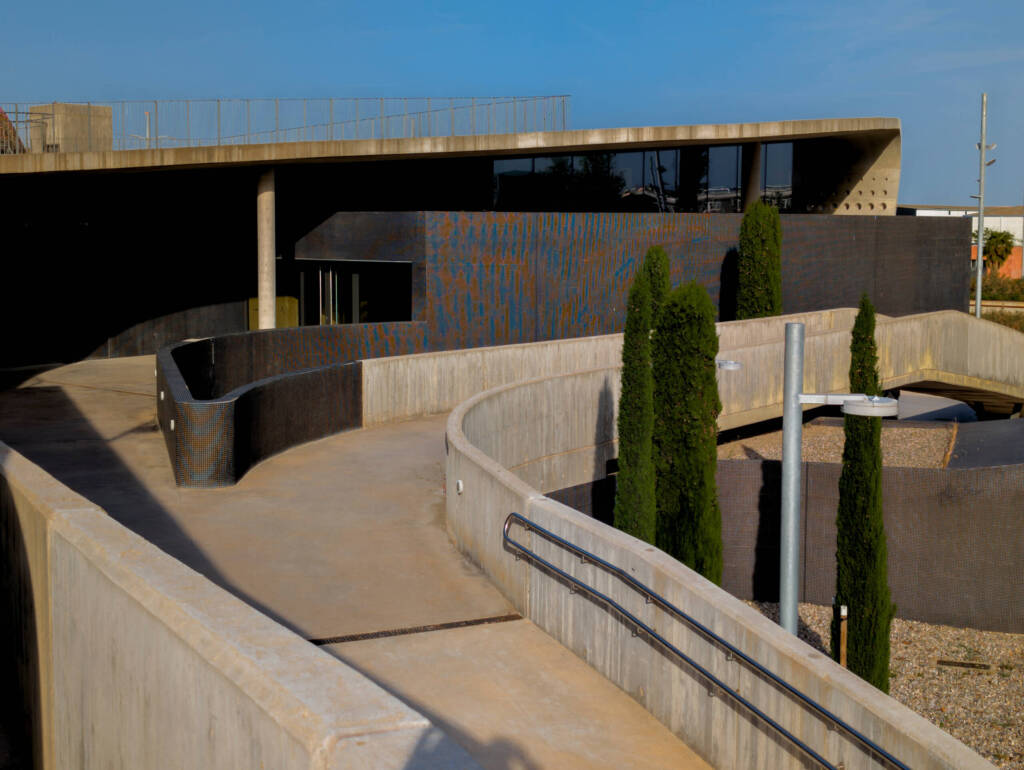
The construction materials sector accounts for roughly a quarter of global greenhouse gas emissions, making it one of the largest industrial CO2 emitters. Lime and cement production is particularly emission-intensive, with exhaust gases from lime plants often containing more than 40 % CO2 and cement kilns up to 33 %. Since a large share of these emissions originates from the raw material itself during calcination, simply switching to alternative fuels or electric kilns is insufficient to achieve climate neutrality.
Within the “Grüner Kalk” (Green Lime) project, researchers at the Fraunhofer Institute for Ceramic Technologies and Systems IKTS in Hermsdorf, Germany, are developing a process that captures and utilises the CO2 released during lime burning. Using green hydrogen, the captured CO2 is converted into methane, which is subsequently pyrolysed into hydrogen and elemental carbon (carbon black).
Integrated membrane reactor with sealed electric furnace
The system combines a purpose-built membrane reactor with a sealed electric furnace in which CO2 is released from the lime and directly collected. Hydrogen required for methanation is introduced into the reactor via pressure-controlled dosing, where a chemical-catalytic reaction produces methane. The product stream is then dried and pyrolysed, yielding elemental carbon suitable for use in the chemical industry or as a fertiliser additive in agriculture, while the released hydrogen is fed back into the plant’s cycle.
According to project leader Dr Benjamin Jäger, the approach follows the Carbon Capture and Utilisation (CCU) principle, drastically cutting emissions from lime works while simultaneously generating new raw materials.
Reading tip:
Gain in-depth knowledge about the next generation of sustainable surface protection with “Sustainability of Coatings”. This essential resource addresses the environmental impact of coatings across their entire life cycle, guiding formulation chemists, engineers, R&D specialists, and decision-makers in quantifying and improving ecological performance. Dive deep into the principles of circular economy and climate protection in coatings technology.
Path to industrial scale-up
The reactor concept has already been validated together with project partner HySON – Institut für Angewandte Wasserstoffforschung Sonneberg gGmbH, while Johann Bergmann GmbH & Co. led the development of the new electric furnace. In the next phase, the team plans to scale up the technology to industrial dimensions in cooperation with industry partners. The project was funded by the German Federal Ministry of Research, Technology and Space (BMFTR).
Beyond lime production, the researchers see potential applications for the membrane reactor technology in the cement industry and in waste management, particularly in sectors where process-related CO2 emissions cannot be systemically avoided.
Source: Fraunhofer-Institut für Keramische Technologien und Systeme IKTS, Grüner Kalk: CO2-Emissionen in der Baustoffindustrie senken. Forschung Kompakt (July 2026).