News Coatings Technologies
Zwitterionic coating cuts biofilm on medical devices by 85 %
A novel catechol-based zwitterionic polymer coating combined with ε-polylysine demonstrates strong antibacterial and antifouling performance on medical device surfaces, inhibiting biofilm formation by approximately 85 % and offering a promising route to reducing device-related infections.
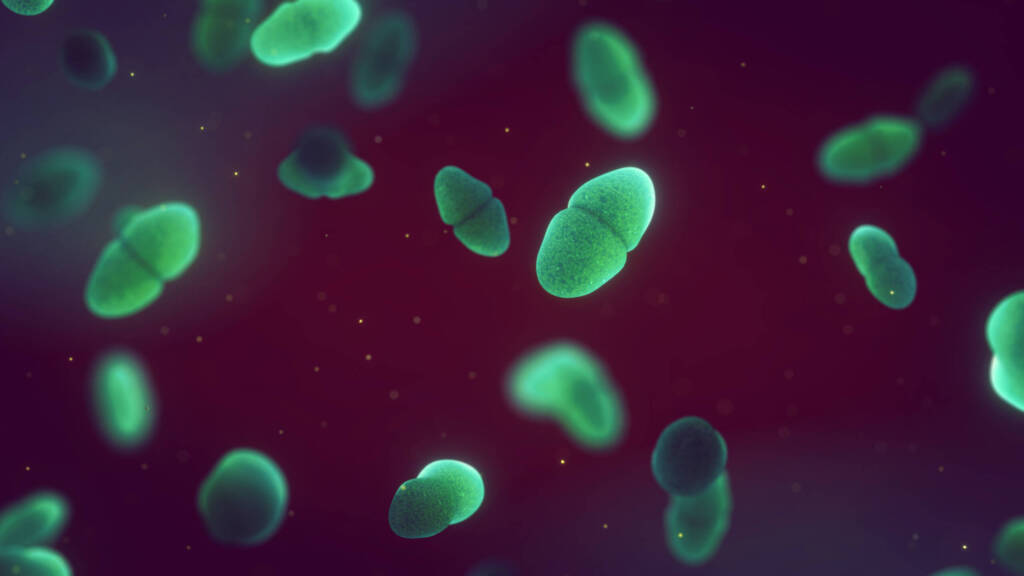
Persistent biofilms on medical device surfaces are responsible for up to 80 % of chronic clinical infections, representing a major challenge for infection control and patient safety. Conventional surface treatments typically address either antibacterial or antifouling performance, but rarely both. A research team has now developed a multifunctional coating system that integrates both properties in a single material.
The researchers synthesised a zwitterionic polymer designated PEGDGE-TAU-CCDP (PTC) from polyethylene glycol diglycidyl ether, taurine and 2-chloro-3′,4′-dihydroxyacetophenone. The incorporation of catechol functionalities imparts redox activity under aerobic and ion-rich conditions – a property previously linked to antibacterial behaviour in catechol-based systems. Spectroscopic analysis using UV-Vis, FTIR and ¹H NMR confirmed successful synthesis, with a CCDP grafting efficiency of approximately 29 %.
Reading tip: Functional Coatings
The EC Tech Report “”Functional Coatings“” gives you an up-to-date bundle on functional coatings with articles, videos and other handpicked content. In addition to technical articles about the latest technical developments, this all-in-one multi-media pack is rounded off with valuable market insights and important fundamentals about functional coatings formulation.
ε-Polylysine enhances adhesion without sacrificing activity
To improve coating adhesion across various substrates, the team incorporated ε-polylysine (EPL) into the system. The resulting hybrid coating, EPL/PTC, maintained the intrinsic antibacterial activity of the base polymer while achieving enhanced substrate bonding, reduced tensile stress and decreased cracking. Bacterial assays showed a minimum inhibitory concentration of 0.31 mg/ml and a minimum bactericidal concentration of 1.25 mg/ml.
When applied to silicone rubber – a material widely used in medical devices – the EPL/PTC coating achieved approximately 85 % biofilm inhibition and 76 % antifouling efficiency. The hydrophilic coating surface further contributed to its resistance against protein and bacterial adhesion.
Multifunctional performance for safer medical devices
By combining zwitterionic antifouling chemistry with catechol-derived antibacterial functionality in a single system, the coating delivers a level of multifunctional performance that is rarely achieved with conventional surface treatments. The findings position EPL/PTC as a promising candidate for reducing surface fouling and infection risks on biomedical devices, potentially contributing to safer clinical environments and improved patient outcomes.
Source: Hou, S.-W. et al., Catechol-based zwitterionic polymers with antibacterial and antifouling properties for biomedical surface coatings. Progress in Organic Coatings 109915 (2025).