News Coatings Technologies
Multiscale analysis reveals biofilm dynamics on hydrophobic fouling-release coatings
A study using hydrophobic fouling-release coatings sheds light on biofilm development under natural seawater conditions, highlighting the role of fungi and coating-specific resilience to hydrodynamic stress.
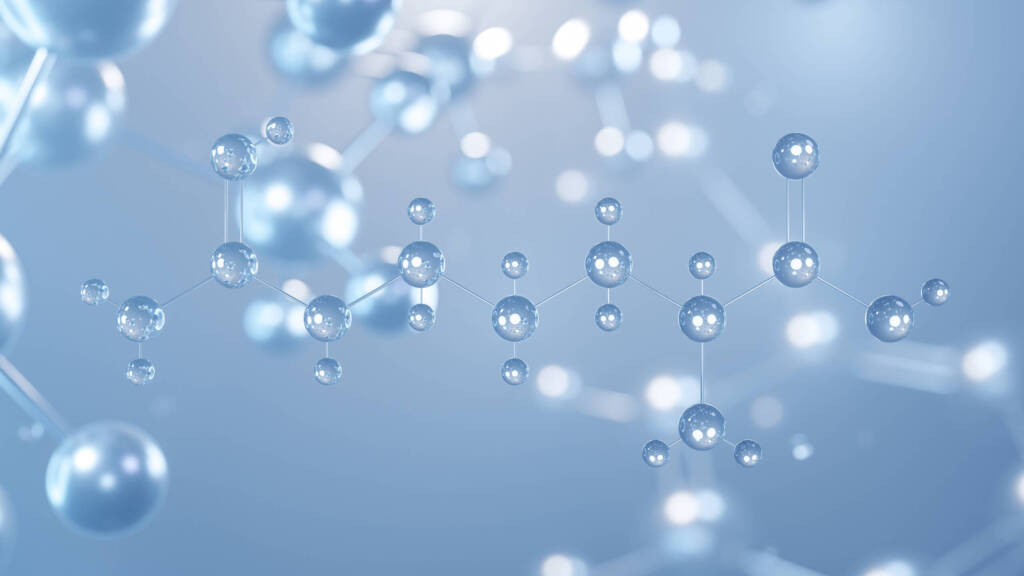
Marine biofilm formation is influenced by both environmental conditions and substrate properties, posing challenges for antifouling strategies. Fouling-release coatings (FRCs), designed to reduce microorganism adhesion, offer a unique opportunity to study biofilm dynamics on low-adhesion surfaces. This study investigated hydrophobic interpenetrating polymer networks (IPNs) based on tetrafluoroethyl methacrylate (TFEMA) and a commercial PDMS-based FRC submerged for six months in natural seawater near Banyuls-sur-Mer, NW Mediterranean Sea.
Using a multiscale and multiomics approach—combining biomass assays, microscopy, metabarcoding, and metabolomics—the research revealed how unfavorable adhesion conditions influence microfouling processes. Community structure varied over time and between substrates, with taxonomic convergence observed at the mature biofilm stage. Notably, fungi emerged as overlooked contributors to biofilm dynamics on low-adhesion surfaces, highlighting their potential significance for fouling-release strategies.
Event Tip: Bio-based Coatings
In the e-learning course Bio-based Coatings you will learn about plant-based raw materials in coatings, their production, and the challenges of replacing fossil-based materials. Get a concise overview of sustainable alternatives and their impact on the industry in just 90 minutes. Perfect to refresh your foundational knowledge!”
Resilience under hydrodynamic stress
Exposure to moderate hydrodynamic shear stress resulted in partial biomass loss, though the overall community composition remained stable. Metabolomic profiling unveiled coating-specific signatures, reflecting distinct physiological strategies employed by biofilm communities. These findings emphasise how fouling-release coatings shape biofilm maturation and resilience, offering valuable insights for developing advanced antifouling solutions.
Source: Ferré, C., Gbaguidi, L., Fagervold, S. K., Carrion, C., Adouane, E., Gorand, Y., Nicole, L., & Lami, R., Multiscale insights into biofilm development on hydrophobic fouling-release coatings. Scientific Reports, Article 7118 (2026).