News Coatings Technologies
Curcumin-based edible coatings show promise for reducing post-harvest losses
A review explores how curcumin, derived from turmeric, can serve as a bioactive component in edible coatings for fruits and vegetables. Whilst nanotechnology-enhanced formulations extend shelf life effectively, safety concerns around nanomaterials in food applications remain a critical consideration.
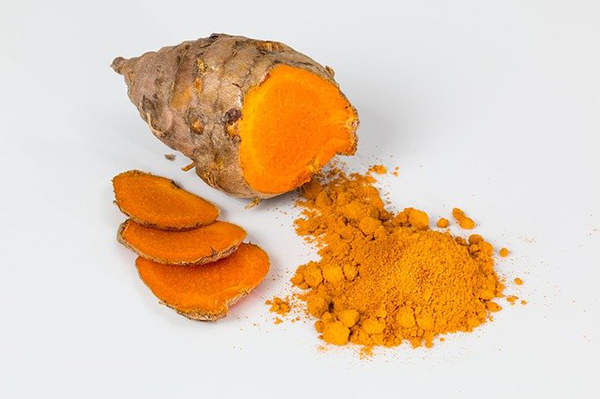
Post-harvest losses of fruits and vegetables account for nearly half of global production each year, posing a major challenge for food security and sustainability. Edible coatings have emerged as a promising strategy to extend shelf life and reduce spoilage, and curcumin — a natural compound derived from turmeric (Curcuma longa) — is attracting growing attention as a functional component in such systems.
A new review published in the Journal of Coatings Technology and Research examines the current state of research into curcumin-based edible coatings. The authors highlight curcumin’s remarkable antioxidant, antimicrobial, antifungal and broader bioactive properties, which contribute to reducing spoilage, maintaining freshness and preserving the quality of horticultural produce.
Reading tip: Bio-based coatings
The EC Tech Report “”Bio-based Coatings“” is a hand-picked compilation of all the key aspects concerning bio-based coatings, offering the latest technical developments. Leading R&D experts present their various binder developments, how binders can be produced sustainably and also how the performance of your coatings can be optimised. Exclusive market insights and data as well as an impressive package of digital bonus material round off this Tech Report.
Nanotechnology enhances efficacy but raises safety questions
The review also explores nanotechnology-based approaches, including nanoformulations combining nanocurcumin with polymers to further extend shelf life. Encapsulation techniques have demonstrated beneficial effects on both coating performance and food safety. However, the authors note that the use of nanomaterials in food applications continues to face scrutiny from the scientific community.
Safety concerns surrounding nanoformulations remain a significant barrier to broader adoption. The review emphasises that bio-efficacy and cytotoxicity assessments are essential to address these issues. Looking forward, the authors call for continued research and development to fully harness curcumin’s potential as a safe, natural alternative for post-harvest preservation of fruits and vegetables.
Source: Upadhaya, A., Singh, Y. D. & Ngomle, S., Harnessing the bioactive potential of curcumin-based edible coatings: a natural strategy for enhancing shelf life and reducing post-harvest losses in horticultural produce. Journal of Coatings Technology and Research (2026).