News Coatings Technologies
Biomimetic microstructures offer eco-friendly path to marine antifouling coatings
A comprehensive review examines how surface designs inspired by aquatic organisms such as shark skin, lotus leaves and coral can replace toxic conventional antifouling coatings. The authors highlight the need for multifunctional synergy and point to artificial intelligence as a key enabler for future developments.
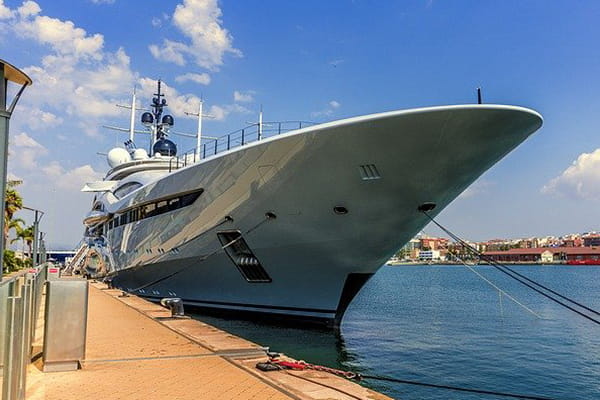
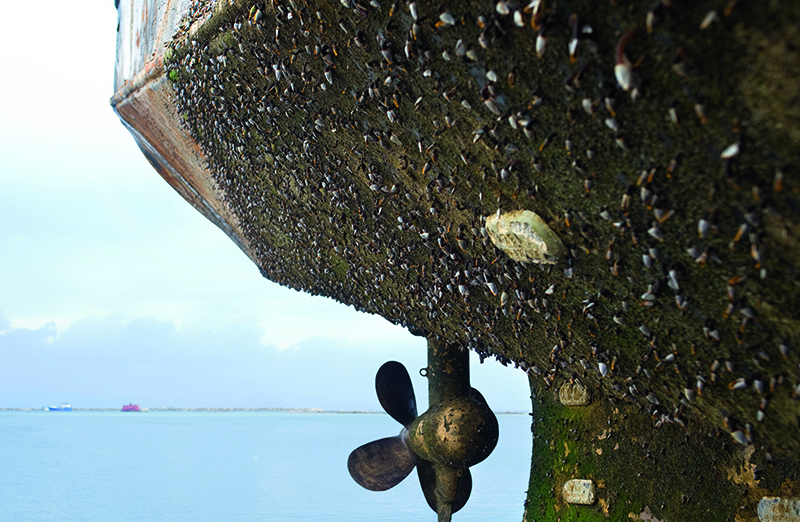
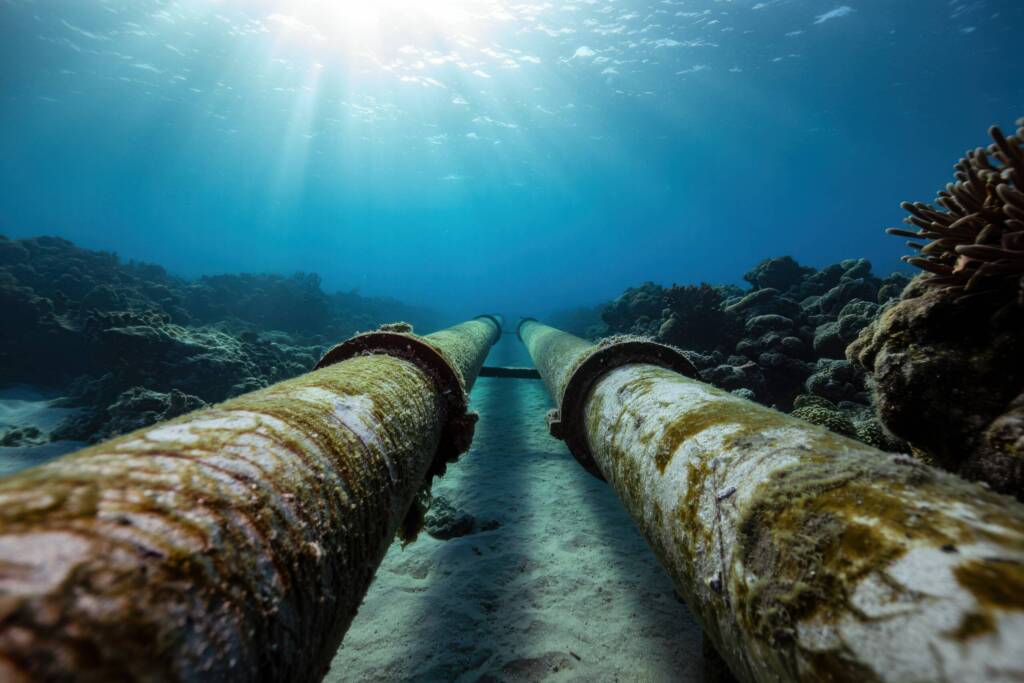
Marine biofouling remains one of the most persistent challenges facing the shipping, aquaculture and offshore infrastructure sectors, causing increased drag, accelerated corrosion and considerable maintenance costs. Conventional antifouling coatings, whilst effective, suffer from limited durability and pose environmental risks due to the toxicity of their active components.
Against this backdrop, a new review published in the Journal of Coatings Technology and Research systematically examines bioinspired antifouling strategies that replicate the microstructural surface features of aquatic organisms. The authors outline the biochemical mechanisms underlying biofouling formation and assess a range of biomimetic approaches developed over the past decade.
Reading Tip: Marine Coatings
Stay updated on the latest in Marine Coatings with the EC Tech Report! This multimedia report covers key developments in anti-fouling formulations, sustainable epoxy binders, and graphene applications. It also includes market insights and trends, along with access to expert articles and conference content. Save time on research and get all the essential updates curated by the EC Tech editorial team. A must-read for industry professionals!”
Single-mechanism approaches reach their limits
A central finding of the review is that single-mechanism antifouling strategies—whether based purely on mechanical, chemical or biological principles—face significant performance limitations in dynamic marine environments. The authors argue that multifunctional synergy, combining these individual approaches, is essential to achieve robust, long-lasting antifouling performance.
The review also identifies key challenges, including the difficulty of reconciling mechanical robustness with cost-effective scalability for industrial application. Looking ahead, the authors propose leveraging artificial intelligence to optimise structural design and establish multifunctional collaborative platforms that integrate diverse biomimetic strategies. Such advances could enable on-demand fabrication of durable, economical and environmentally sustainable antifouling coatings.
Source: Yang, F. et al., Recent advances in marine biomimetic antifouling technology based on microstructured surfaces inspired by aquatic organisms. Journal of Coatings Technology and Research (2026).