News Coatings Technologies
Self-cleaning vegetable-tanned leather: photocatalytic activity of ZnO and BiOI nanoparticles immobilised using succinic acid
A new study explores the use of succinic acid to immobilise ZnO and BiOI nanoparticles on vegetable-tanned leather, enabling self-cleaning properties through photocatalytic activity.
Vegetable-tanned leather is a premium, durable material, and innovative coating technologies can further enhance its functionality. A recent study by Silva et al. investigates, for the first time, the use of succinic acid as a chemical binder to immobilise ZnO and BiOI nanoparticles on leather surfaces, imparting self-cleaning properties through photocatalysis.
The research builds upon a newly developed methodology for collagen esterification using polycarboxylic acids. Through systematic evaluation of ZnO concentration and curing temperature, optimal conditions for photocatalysis were identified: a concentration of 0.5 wt% and a curing temperature of 30 °C. These parameters were applied to the BiOI immobilisation process.
Event Tip: Fundamentals of Functional Coatings
Dive into the world of functional coatings designed to offer specialized properties such as anti-fouling, anti-ice, easy-to-clean, and drag reduction. This tutorial will cover fundamental principles, materials selection, surface modification techniques, and case studies across different applications. Join in and explore how these coatings are transforming industries worldwide.
ZnO efficiency and hydrophobic properties
Photocatalytic activity was assessed using methylene blue indicator ink under simulated solar radiation. Statistical analysis revealed ZnO concentration as the most significant factor influencing photocatalytic efficiency. However, higher concentrations of 0.75 wt% caused nanoparticle agglomeration, reducing the availability of active sites, as confirmed by SEM analysis. BiOI exhibited lower photocatalytic performance compared to ZnO, attributed to its smaller specific surface area (6.65 m²/g versus ZnO’s 10–25 m²/g and TiO₂’s 35–65 m²/g).
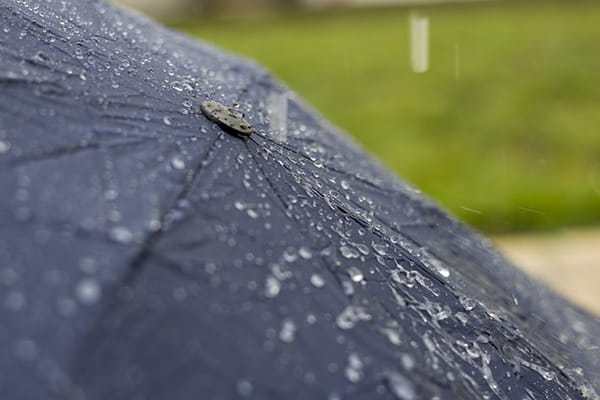
The immobilisation of nanoparticles significantly increased the hydrophobicity of the leather surface, with contact angles rising from 53° for untreated leather to 137° for BiOI-modified samples. Enhanced surface wettability contributes to improved self-cleaning functionality.
These findings validate the effectiveness of succinic acid-mediated immobilisation as a strategy for producing self-cleaning leather materials and emphasise the importance of optimising nanoparticle concentrations to maximise performance.
Source: Silva, F. V. et al., Self-cleaning vegetable-tanned leather: photocatalytic activity of ZnO and BiOI nanoparticles immobilised by succinic acid. J. Coat. Technol. Res. (2026).