News Coatings Technologies
Sustainable biologic paint: bacterial pigments and protein binder show promising durability
A novel paint formulation using E. coli-derived pigments and a casein binder offers an eco-friendly alternative to conventional paints, demonstrating comparable colour stability under various conditions.
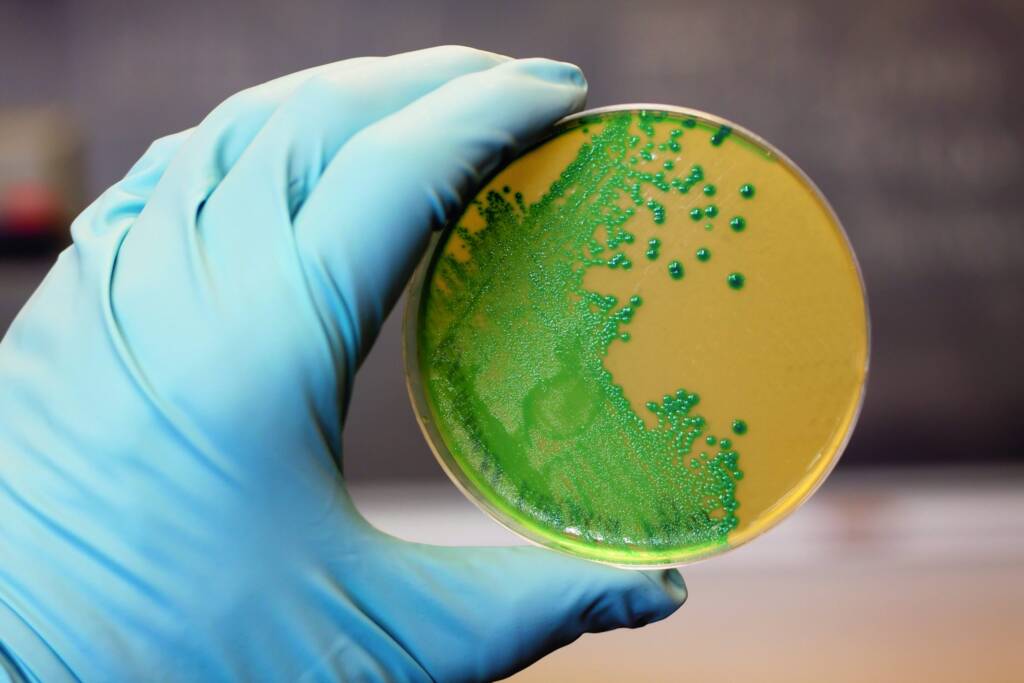
Conventional paints often pose environmental and health risks due to heavy metal-based pigments and volatile organic compounds (VOCs) emitted from synthetic binders. Researchers have explored genetically engineered microorganisms, such as Escherichia coli, for biosynthesising pigments that minimise environmental impact. However, these biologically derived pigments have typically been formulated with VOC-emitting binders, limiting their sustainability potential.
A recent study by Duggirala et al. investigates an innovative paint formulation that combines E. coli-derived pigments with casein, a natural VOC-free binder historically used in art and coatings. Casein offers compatibility with biologically derived pigments and avoids the harmful emissions associated with synthetic binders.
Event Tip: Bio-based Coatings
In the e-learning course Bio-based Coatings you will learn about plant-based raw materials in coatings, their production, and the challenges of replacing fossil-based materials. Get a concise overview of sustainable alternatives and their impact on the industry in just 90 minutes. Perfect to refresh your foundational knowledge!”
Comparable performance to commercial paints
The study compared the spectral durability of the biologic paint to two mineral-based commercial paints under diverse environmental conditions. Results showed that the biologic paint retained colour stability comparable to commercial standards, with all observed differences below the threshold detectable by human vision. This highlights the potential for biologic paint systems to serve as effective and environmentally safer alternatives.
By utilising renewable biological sources such as bacterial pigments and protein binders, this research opens pathways for sustainable development in the coatings industry, addressing environmental concerns without compromising performance.
Source: Duggirala, R. et al., Feasibility and durability of a first-of-a-kind, sustainable biologic paint using bacterial pigment and protein binder. J. Coat. Technol. Res. (2026).