News Coatings Technologies
Zinc oxide nanofillers optimise fluoropolymer coatings for enhanced corrosion protection
Researchers demonstrate how zinc oxide (ZnO) content gradients in fluoropolymer coatings improve corrosion resistance on carbon steel substrates. The optimised 0.50 % ZnO system shows superior durability and chloride ion barrier performance.
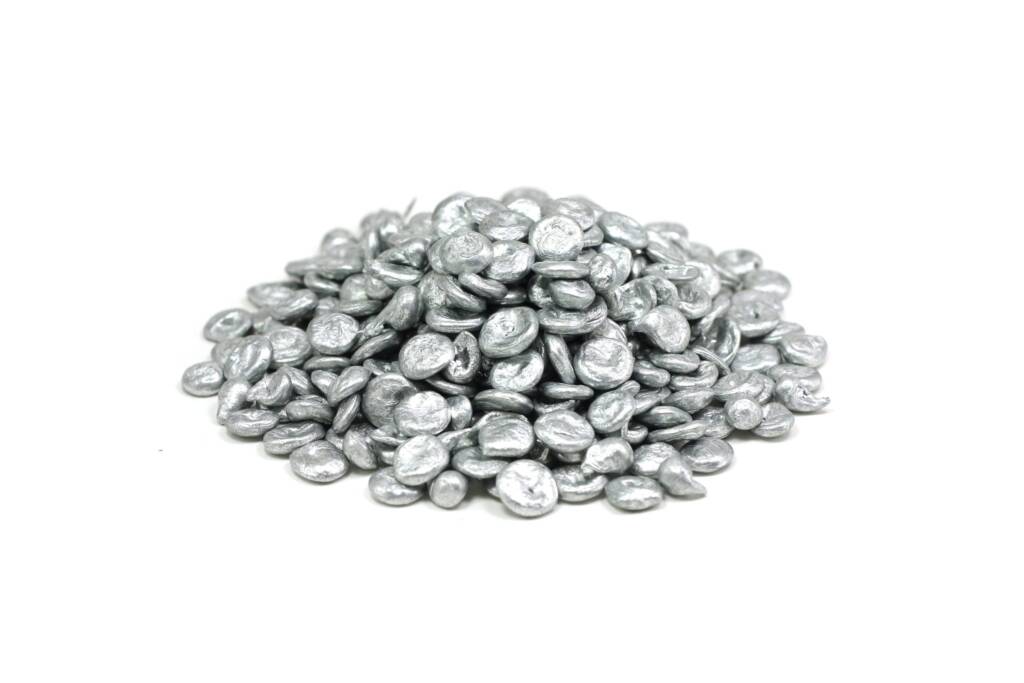
Zinc oxide/ethylene-chlorotrifluoroethylene (ZnO/ECTFE) nanocomposite coatings have been developed to improve the corrosion resistance of carbon steel. Using electrostatic spraying and thermal curing, researchers systematically evaluated ZnO content gradients (0–1.00 %) and their effects on coating properties through morphological characterisation, electrochemical impedance spectroscopy, and molecular dynamics (MD) simulations.
The study revealed that a 0.50 % ZnO content provided optimal performance, achieving the highest charge transfer resistance (Rct,120d = 1.76 × 10⁴ Ω·cm²) after 120 days of immersion in a 3.5 % NaCl solution. This system also reduced diffusion coefficients for water molecules (6.2952 × 10⁻⁹ m²/s) and chloride ions (5.2881 × 10⁻⁹ m²/s), demonstrating a significant barrier against corrosive agents. Compared to pristine ECTFE coatings, the 0.50 % ZnO composite improved durability by 85.11 %, highlighting the synergistic effects of ZnO nanofillers in enhancing physical barriers and electrochemical resistance.
Reading tip:
TheEC Tech Report Waterborne Protective Coatings gives you an extensive up-to-date bundle on protective coatings, focusing on water-borne solutions, with articles, videos and other content handpicked by the European Coatings Team. In addition to cutting-edge technical articles, the Tech Report is rounded off with valuable market insights and key fundamentals on water-borne protective coatings.
Nonlinear effects of ZnO content
Interestingly, the study observed nonmonotonic relationships between ZnO loading levels and coating properties. While higher ZnO content increased surface roughness (Ra = 25.2 nm for 0.50 % ZnO), it simultaneously improved corrosion resistance by modifying ion transport dynamics within the polymer matrix. MD simulations provided critical insights into the mechanisms behind these improvements, establishing theoretical foundations for optimising chloride ion transport barriers in polymer nanocomposites.
This research underscores the potential of ZnO nanofillers to improve protective polymer coatings, offering scalable solutions for corrosion resistance in demanding environments.
Source: Hao, L., Li, Q., Zhang, X., Li, H., Xiao, J., Huang, Z., Wen, J., & Wang, M. (2026). Modulating fluoropolymer coating corrosion resistance through zinc oxide nanofiller content gradients: experimental validation and molecular dynamics mechanistic analysis. Journal of Coatings Technology and Research. https://doi.org/10.1007/s11998-025-01222-4