News Coatings Technologies
Dual-mode superhydrophobic material enables year-round radiative cooling and solar heating
Innovative dual-mode material integrates radiative cooling and solar heating capabilities, offering self-cleaning surfaces and up to 25 % energy savings for efficient thermal management.

Radiative cooling materials have gained widespread attention for their ability to reduce temperatures passively without energy consumption. However, their application has been limited by high production costs, surface contamination, and overcooling risks in colder seasons. To address these challenges, researchers have developed a dual-mode thermal management material (D-MTMM) that combines a radiative cooling surface (RCS) and a solar heating surface (SHS) on opposite sides of a single structure.
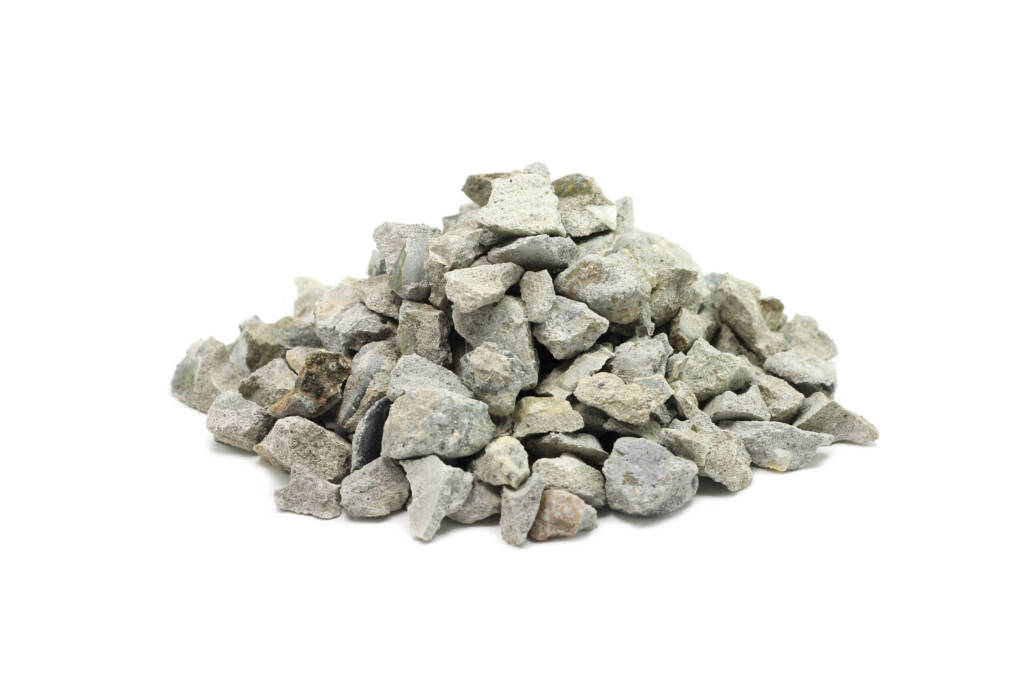
Fabricated using a scalable spray-coating method with epoxy resin (EP) and recycled spent bleaching earth (SBE), the material achieves remarkable thermal performance. The RCS reflects 93 % of solar radiation and emits 98 % of infrared waves via a conical array-like surface, enabling effective passive cooling. Meanwhile, the SHS absorbs solar energy efficiently, with a solar reflectivity of only 5 %, providing photothermal heating. This dual-mode design delivers year-round benefits, with up to 11 °C cooling in summer and 10 °C heating in winter.
Event Tip: EC Conference Architectural Coatings
Architectural coatings are turning into real game changers! Not just protecting buildings, but actively improving their energy performance, moisture regulation, and long‑term material stability. On 10 – 11 March 2026, theEC Conference Architectural Coatings brings together coating experts to spotlight the latest material innovations for smarter, more climate-resilient façades. Join in on 10 – 11 March 2026 in Berlin, Germany, for inspiring talks, fresh ideas and hands-on insights into how functional coatings are shaping the future of architecture.
Superhydrophobicity ensures durability and energy efficiency
The material’s micro/nanostructures confer superhydrophobic properties, with water contact angles exceeding 150° and sliding angles below 4°. These features ensure self-cleaning capability and long-term outdoor stability. A nationwide energy efficiency assessment across diverse climatic zones in China revealed that the D-MTMM achieves approximately 10 % energy savings compared to single-mode materials and over 25 % savings relative to conventional building envelopes.
This innovative solution offers a low-cost, durable, and sustainable approach to daytime thermal management, addressing seasonal challenges while enhancing energy efficiency for buildings.
Quelle: Zhang, Q., Yang, J., Liu, X., Zhou, Y., Li, X., Qiu, S., Jia, X., & Song, H., Dual-mode superhydrophobic material with radiative cooling and solar heating capabilities for daytime thermal management. Progress in Organic Coatings, 2025. DOI: https://doi.org/10.1016/j.porgcoat.2025.109812