News Markets & Companies
CEFIC hails Mercosur trade agreement as a milestone for European chemical industry
The signing of the EU-Mercosur Free Trade Agreement has been welcomed by industry associations, including CEFIC, as a transformative step for European exports. The deal is set to eliminate tariffs on 90 % of EU exports, opening Latin American markets to 270 million consumers.
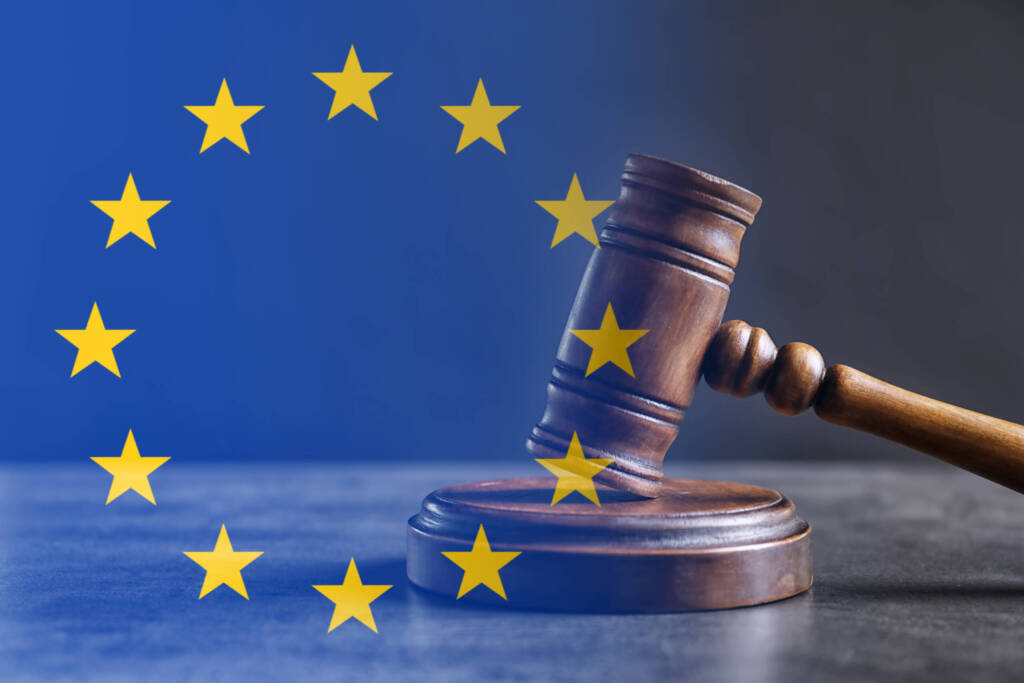
European business associations, including the European Chemical Industry Council (CEFIC), have celebrated the signing of the EU-Mercosur Free Trade Agreement (FTA) as a significant milestone in global trade. The agreement, finalised after more than 25 years of negotiations, establishes the largest trading bloc globally by removing tariffs on over 90 % of EU exports. This opens access to markets in Mercosur countries—Brazil, Argentina, Uruguay and Paraguay—serving a combined population of 270 million consumers.
The FTA is expected to deliver substantial economic benefits, with estimates from the European Commission’s DG Trade suggesting a potential 39 % increase in EU exports to Mercosur and an addition of EUR 77.6 billion to EU GDP by 2040. Industry leaders view this as an opportunity to diversify supply chains, attract investments, and strengthen competitiveness, particularly for sectors like chemicals, coatings, and raw material distribution.
Boost for the chemical industry and global supply chains
CEFIC and other trade groups have emphasised the deal’s strategic importance for the European chemical industry. By eliminating trade barriers, companies can accelerate the export of chemical products and coatings to Mercosur, while leveraging the region to source essential raw materials. The agreement is expected to support innovation, sustainability, and growth in transatlantic supply chains.
European Commission President Ursula von der Leyen highlighted the geopolitical significance of the partnership, stating, “This win-win agreement supports clean and digital transitions while sending a message of cooperation over competition. It’s a new chapter for economic growth and diplomacy.”