News Coatings Technologies Raw Materials
Catalytic conversion of LDPE waste into light olefins using Cu/ZSM-5
A recent study demonstrates that LDPE waste can be efficiently converted into C2–C4 light olefins using a Cu/ZSM-5 catalyst. Olefin yields increased to around 65.9 %, while the formation of wax, liquids and char remained low.
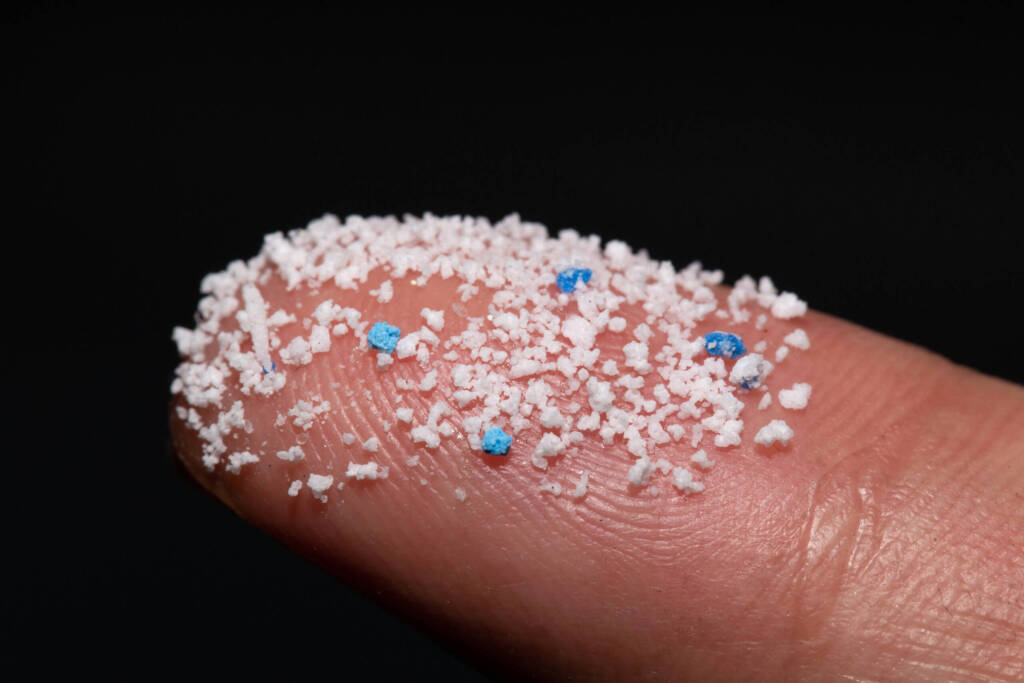
Light olefins such as ethene, propene and butenes are essential petrochemical intermediates, yet today their production relies largely on highly energy-intensive naphtha steam cracking. Consequently, catalytic upcycling of plastic waste—particularly LDPE, the second-largest plastic fraction in municipal waste—has become an important research field.
In this study, a ZSM-5 zeolite with varied Si/Al ratios and textural properties was used as both support and catalyst. The researchers examined how acidity and metal oxide promoters influence product selectivity during LDPE cracking.
Reading tip: Understanding coatings raw materials
Build a solid foundation in coatings raw materials with “Understanding Coatings Raw Materials”. Explore the properties, functions, and selection criteria for key raw materials used in coatings formulations. Enhance your ability to design coatings with tailored properties and improved performance.
Higher gas fractions and improved olefin yields
In a two-stage semi-batch reactor at atmospheric pressure, the process generated gas fractions of roughly 80 wt%. C2–C4 olefin yields reached approximately 60 wt%, and the addition of copper oxide increased this value to around 65.9 %. At 450–550 °C, the catalyst also suppressed wax, liquid and char formation.
The results highlight a promising pathway for converting plastic waste into high-value petrochemical feedstocks while reducing dependence on energy-intensive primary production routes.
Source: Raghav, H. et al., Green Chemistry, Issue 47, 2025.