News Application Areas
Porous polymer coatings with rifampicin prevent catheter infections
A recent study demonstrates that highly porous PLA coatings loaded with rifampicin can significantly reduce the risk of catheter-associated urinary tract infections. Controlled pore formation ensures uniform drug distribution and long-lasting antibacterial activity.
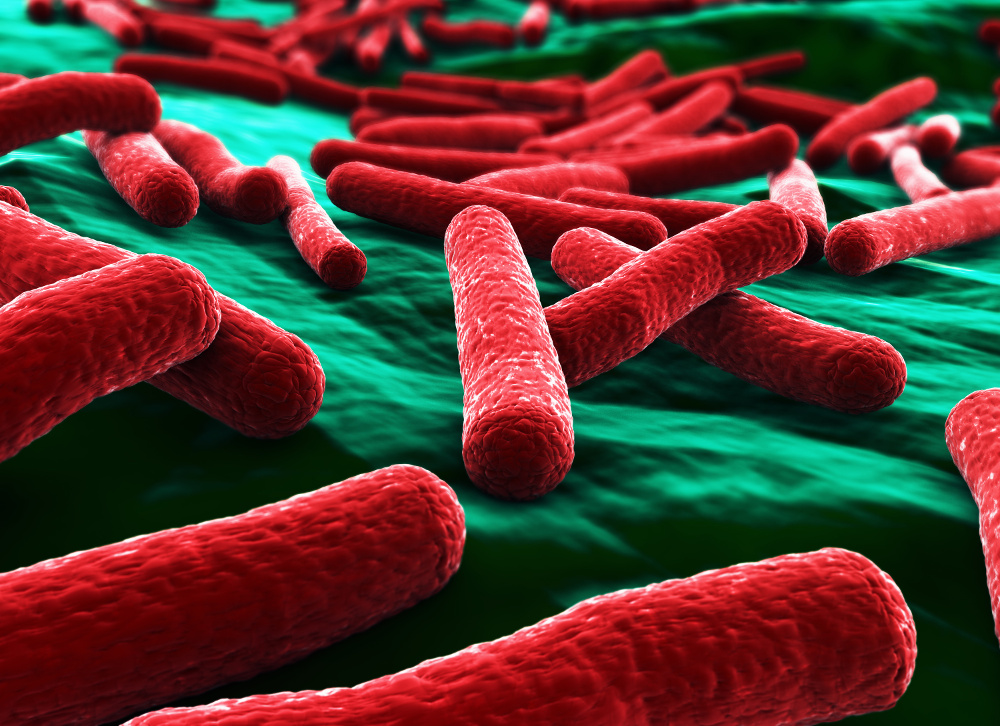
A research team from China has developed an innovative coating that could substantially lower the risk of catheter-associated urinary tract infections. The coatings are based on polylactic acid (PLA) and were engineered using techniques such as breath fig (BF), inverse emulsion (Ie), and vapour-induced phase separation (VIPS) to create a highly porous structure. These multilayered pore arrays enable the even incorporation of the antibiotic rifampicin.
Two loading strategies were investigated: pre-mixing and post-immersion. Both methods resulted in a homogeneous distribution of rifampicin within the PLA matrix. Drug release tests revealed an initial burst within 24 hours, followed by a sustained release lasting up to 28 days. Highly porous Ie-BF coatings achieved the highest cumulative release rate of 87.45 %.
Strong inhibition of bacteria and biofilm formation
The antibacterial performance of the new coatings was confirmed in tests with Pseudomonas aeruginosa and Staphylococcus aureus. The Ie-BF coating reduced P. aeruginosa adhesion by over 99.99 % and biofilm formation after eight days by 92.39 %. Catheters coated with BF-VIPS films also demonstrated significant antibacterial effects.
This research highlights new opportunities for the medical application of functional coatings. In particular, such systems could help prevent infections in catheters and allow a more targeted use of antibiotics.
Source: Lin, P. et al., Fabrication of highly porous polymeric coatings loaded with rifampicin for preventing catheter-associated urinary tract infections. Prog. Org. Coat. 203, 109190 (2025).