News Coatings Technologies
Hierarchical bioinspired anti-fomite coatings using 3D-printed Dragon Flower microstructures and copper nanocomposites
Researchers develop a hybrid bioinspired coating that combines 3D-printed microstructures with a copper-based nanocomposite. By tuning surface wettability, the system enhances droplet interaction and may improve antiviral activity against fomite-based contamination.
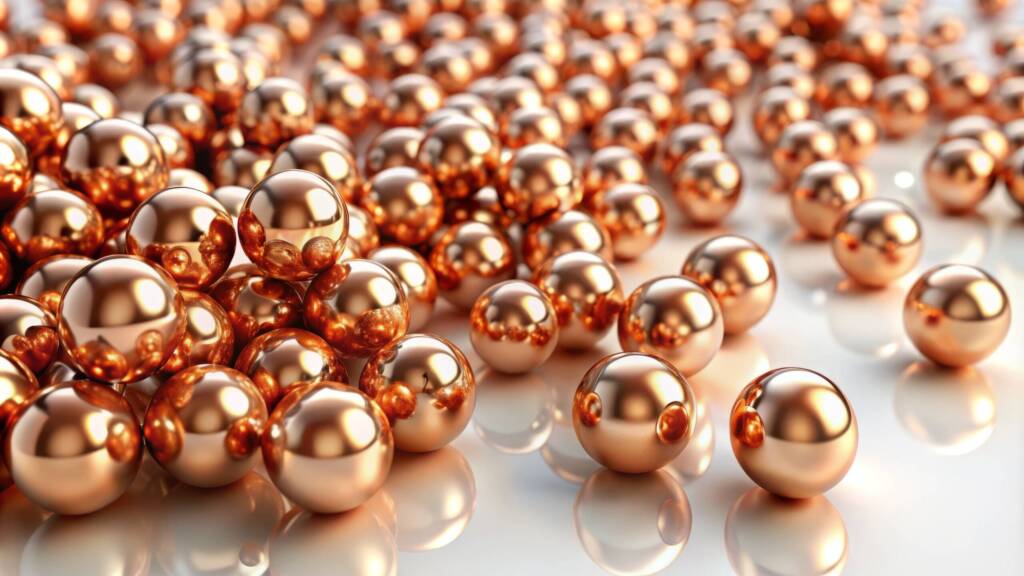
Bioinspired coatings have become key tools for reducing microbial contamination from fungi, bacteria and viruses. This study advances the field by leveraging high-resolution MSLA 3D printing to create hierarchical hybrid surfaces that incorporate both passive (micro-topographic) and active (copper nanocomposite) antimicrobial elements.
The team designed micropapillae based on the floral structures of Huernia penzigii, exploring how variations in height and aspect ratio influence surface wetting.
Enhancing droplet interaction through wettability control
A strong correlation between microstructure geometry and contact angle was identified: micropapillae printed at 400 µm height reduced the contact angle to 38 °, creating a hydrophilic regime that promotes closer contact between contaminated droplets and the active copper surface. This may enhance antiviral activity by increasing the likelihood of virus–surface interaction and subsequent deactivation.
The photocurable copper nanocomposite material was characterised by FTIR, UV–Vis, XRD, SEM and contact angle measurements. The findings underscore the potential of designing hybrid active–passive surfaces to combat fomite-based transmission.
Source: da Silva Lima, T., Vieira, A. G., Makiyama, L. A., de Albuquerque, A. S. & Santa-Cruz, P., Hierarchical anti-fomite coatings based on bioinspiration in 3D-printed Dragon Flower microstructures with copper nanocomposites. Journal of Coatings Technology and Research 22, 2387–2399 (2025).