News Raw Materials
Cellulose nanocrystals stabilise fluorescent, non-isocyanate polyurethane latexes
Waterborne, non-isocyanate polyurethane latexes have been stabilised exclusively with cellulose nanocrystals for the first time. Their fluorescent properties open up opportunities for functional coating applications.

Non-isocyanate polyurethanes (NIPUs) are considered a more sustainable alternative to conventional PU systems as they avoid toxic isocyanates and comply with the principles of green chemistry. For the first time, a research team has developed waterborne non-isocyanate polyurethane (WNIPU) latexes stabilised exclusively by cellulose nanocrystals (CNCs) and partially derived from renewable resources.
The WNIPUs were synthesised via suspension polymerisation. A polyaddition reaction between siloxane diamine and 1,6-hexanediol bis(cyclic carbonate) occurred within monomer-in-water Pickering emulsion droplets, which were effectively stabilised with CNCs.
Fluorescent latex particles for functional coatings
CNCs acted as nanoparticle surfactants at the surface of the WNIPU latex particles, as confirmed by rhodamine B-labelled CNCs and confocal laser scanning microscopy. Spherical latex particles with a median size of 10 μm were obtained. The effect of the cyclic carbonate-to-amine molar ratio on monomer conversion, molecular weight and thermal properties was investigated.
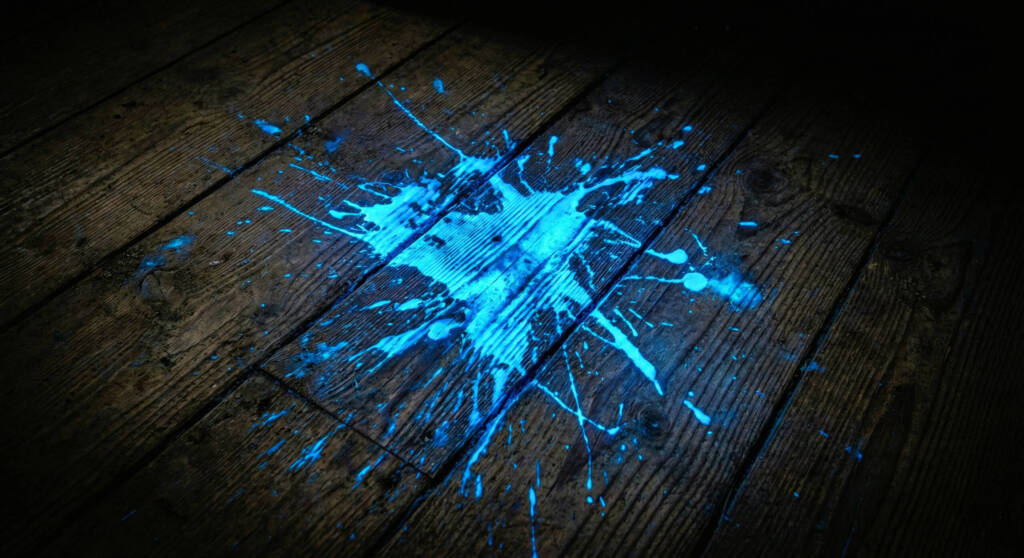
The resulting WNIPU suspensions exhibited fluorescence under UV irradiation at 365 nm due to carbamate clustering. Combined with low glass transition temperatures, these latexes show potential for use in functional coating applications.
Source: Polymer Chemistry, Issue 29, 2025
Category: Raw materials
Matching product (German): Polyurethane
Matching product (English): EC Tech Report Bio-based Coatings