News News
Self-adhesive glutenin-based coating cuts microplastic shedding
A Chinese team has developed a self-adhesive, genipin cross-linked glutenin coating that reduces microplastic shedding from packaging by up to 98 % under harsh conditions.
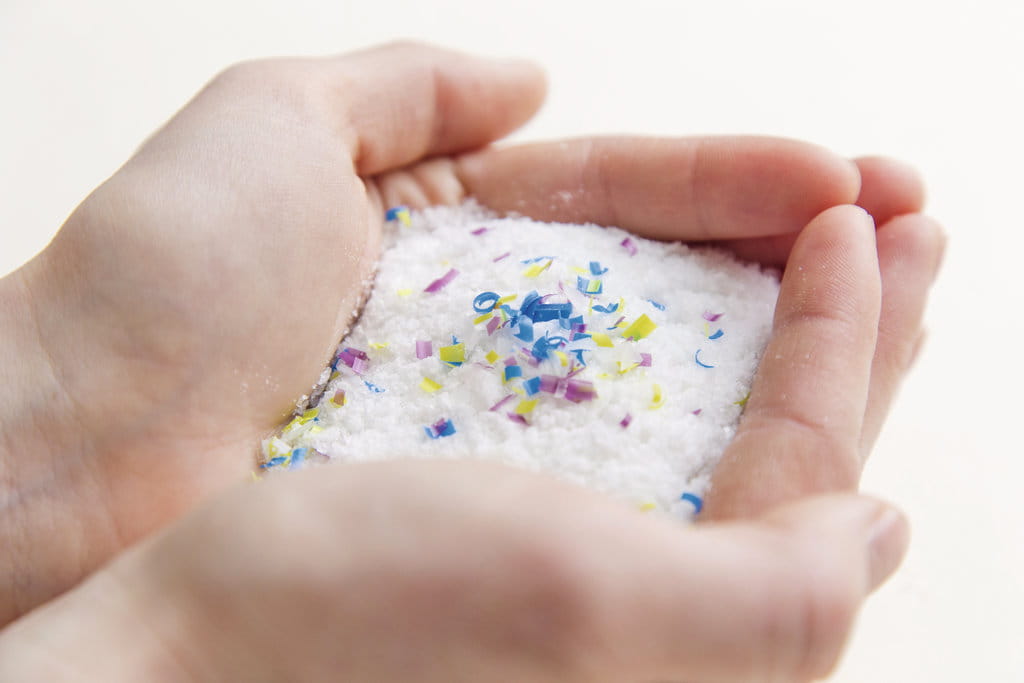
Widespread use of plastic packaging is a main source of microplastics in food. Inspired by soybean milk skin, researchers created a biobased coating that spontaneously adheres to plastic surfaces via phase transition.
Genipin cross-linking improved key properties: contact angle increased from 84.7° to 96.1°, roughness dropped by half and elastic modulus rose from 19.85 GPa to 30.87 GPa. Tests simulated seven harsh environments, including heat, acid, alkali, salt and oil.
Reading tip: Functional Coatings
The EC Tech Report “Functional Coatings” gives you an up-to-date bundle on functional coatings with articles, videos and other handpicked content. In addition to technical articles about the latest technical developments, this all-in-one multi-media pack is rounded off with valuable market insights and important fundamentals about functional coatings formulation.
Significant reduction in microplastics
The coating reduced microplastic shedding by 61.14 % overall; under extreme conditions, inhibition ranged from 92 % to 98 %. Particles over 100 µm were no longer detectable. FT-IR and XPS confirmed the covalent cross-linking mechanism. Cell proliferation tests indicated the coating’s safety for food contact.
Source: Chen et al., Green Chemistry, Issue 25, 2025