News Markets & Companies
REACH microplastics restriction: first deadline takes effect today
As of 17 October 2025, the first key deadline of the EU’s microplastics restriction takes effect. From today, suppliers must provide detailed information for products containing synthetic polymer microparticles. The regulation is part of the EU’s Zero Pollution Action Plan and affects coatings, additives, and other industrial materials.
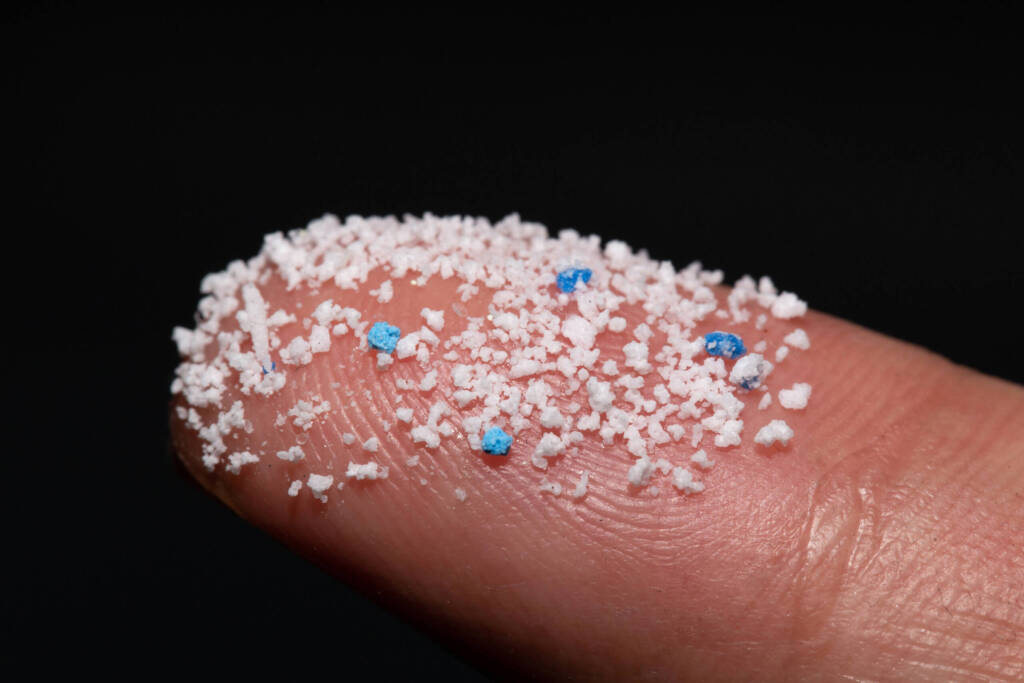
Today marks a major step in the EU’s fight against microplastic pollution. On 17 October 2025, the first compliance obligations under Commission Regulation (EU) 2023/2055 come into force. The rule requires suppliers and manufacturers to disclose detailed product information for materials containing synthetic polymer microparticles (SPM). This includes industrial-use polymers, certain food additives, and products falling under controlled-use exemptions.
The restriction, adopted on 25 September 2023, amends Annex XVII of the REACH Regulation. Rather than a total ban, it introduces a gradual phase-out system designed to reduce microplastic emissions by 30 % by 2030 under the EU’s Zero Pollution Action Plan.
Information and reporting obligations begin
From today, suppliers must provide clear instructions for safe use and disposal on labels, packaging, or Safety Data Sheets (SDS). A declaration of conformity detailing the type and quantity of polymers is also mandatory.
For industrial applications, annual reporting to the European Chemicals Agency (ECHA) will follow. The first reports, covering 2025 data, are due by 31 May 2026 via the REACH-IT and IUCLID systems.
Transitional periods and exemptions
Several sectors have been granted transitional periods. Rinse-off cosmetics must comply by 2027, detergents and fertilisers by 2028, and plant protection products by 2031. The longest deadline applies to make-up and nail products, which can remain on the market until 2035, but must carry the label “This product contains microplastics” from 2031 onward.
Exemptions apply where polymers are permanently embedded in a solid matrix – for example, in coatings, adhesives, or cured paints – or used exclusively in industrial settings. However, these exemptions still require compliance with information and reporting duties.
Outlook: Proactive compliance is essential
With the first deadline now active, attention shifts from legislation to implementation. Companies must update labels, SDS documentation, and reporting systems to meet the new standards. Proactive compliance will not only prevent legal and market risks but also enhance credibility in sustainability and transparency across the coatings and chemicals sector.
Source: REACH24H, EU Microplastics Restriction: First Key Deadline