News Coatings Technologies
Smart epoxy coating visualises microcracks and corrosion in real time
A new coating system with embedded carbon quantum dots (CDs) enables early detection of crack initiation and corrosion in epoxy-based systems, while also improving their mechanical strength.
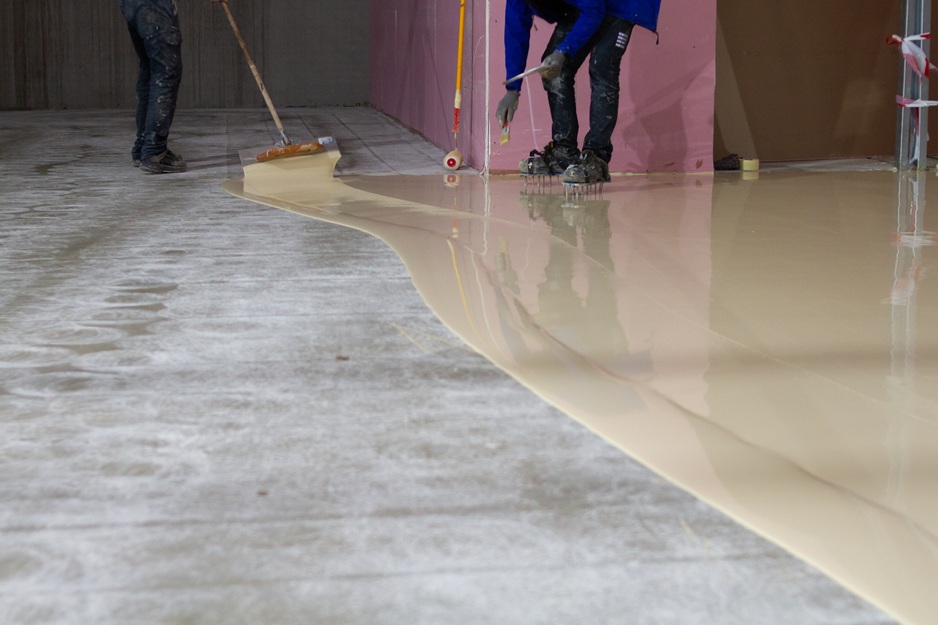
A research team from China has developed an intelligent epoxy coating designed to detect mechanical damage and early corrosion on metal substrates. The system targets marine energy equipment, which is exposed to both mechanical stress and corrosive environments. Embedded carbon quantum dots (CDs) in the epoxy matrix emit intensified fluorescence when stress induces microcracks.
When corrosion occurs at the interface, the iron ions generated quench the fluorescence of the CDs. This enables real-time visual monitoring of crack formation and corrosion progression via changes in fluorescence intensity, producing a dynamic “on-off” damage signal.
Reading tip: Epoxy coatings
Uncover cutting-edge developments in water-borne epoxy resin technology and their use in various coatings application fields with the new EC Tech Report Water-borne Epoxy Coatings. Designed for both newcomers and industry experts, this multimedia PDF report offers a comprehensive blend of technical articles, market insights, and exclusive video presentations.
Enhanced mechanical performance
Besides its sensing capability, the modified epoxy coating also shows improved mechanical performance. By fine-tuning the resin molecular structure, the researchers significantly enhanced the coating’s toughness, crack resistance and corrosion protection.
Electrochemical in-situ evaluations were used to assess coating failure under mechanical stress. This novel system offers a new route for large-scale, continuous monitoring of microcracks and corrosion pits in metal/coating systems, particularly for offshore and marine applications.
Source: Wu, E. et al., Dynamic visualization for stress-induced crack initiation and resulted corrosion expansion in carbon quantum tailored epoxy coating. Prog. Org. Coat. 203, 109164 (2025).