News Coatings Technologies
Fluorine-free hydrophobic coating boosts solar panel output
Researchers have developed a fluorine-free, UV-curable hydrophobic coating combining silicone-modified acrylate resin with SiO₂ and ZnO nanoparticles. The coating reduces panel temperatures, repels dust and increases photovoltaic power output by up to 45 % under soiling conditions.
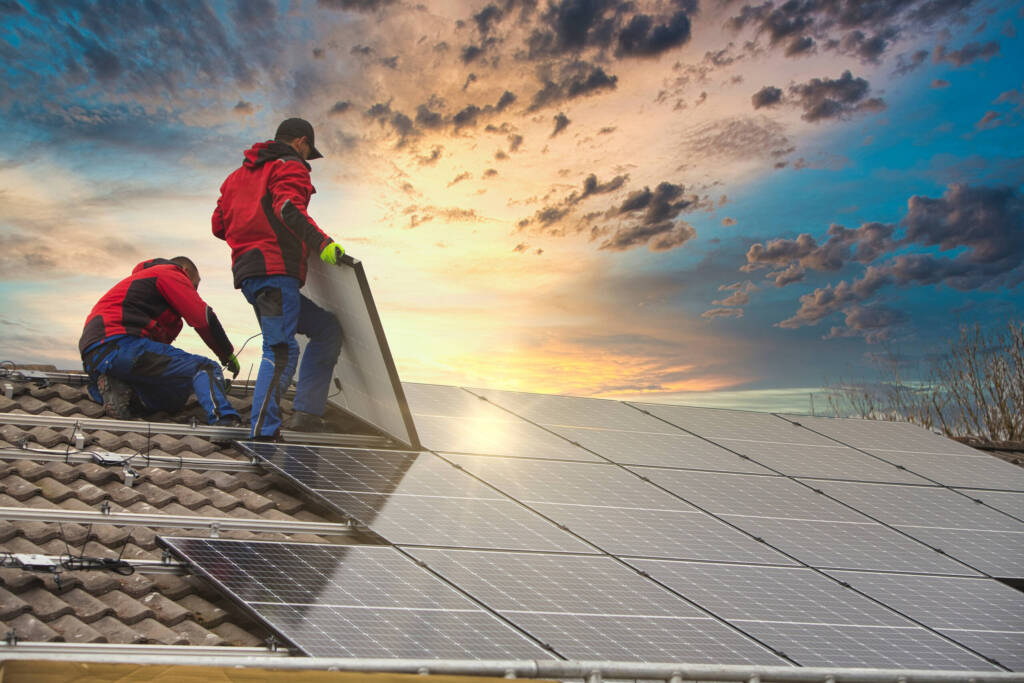
Efficiency losses caused by dust accumulation and overheating remain significant obstacles to the wider deployment of photovoltaic (PV) panels. Conventional fluorinated hydrophobic coatings provide some relief, but raise concerns regarding environmental persistence, mechanical durability and industrial scalability. A research team led by Jafari and Sabbagh Alvani has now developed a fluorine-free coating that addresses these limitations while delivering multiple functional benefits.
The formulation combines a UV-curable silicone-modified acrylate resin with surface-modified SiO₂ and ZnO nanoparticles. The resulting hierarchical microstructure provides high hydrophobicity with a water contact angle above 140°, together with strong infrared reflectivity that lowers panel temperatures by up to 10 °C under solar irradiation.
Reading tip: Functional Coatings
The EC Tech Report “”Functional Coatings“” gives you an up-to-date bundle on functional coatings with articles, videos and other handpicked content. In addition to technical articles about the latest technical developments, this all-in-one multi-media pack is rounded off with valuable market insights and important fundamentals about functional coatings formulation.
Scalable processing and improved energy yield
Controlled environmental testing showed that coated PV panels delivered up to 45 % higher power output than uncoated reference panels under simulated dusty conditions, indicating significantly improved performance retention under soiling stress. The coating also demonstrated robust mechanical durability and chemical stability under UV and thermal exposure as well as acidic and alkaline conditions.
By avoiding fluorinated compounds and relying on scalable spin-coating processes combined with high-speed UV curing, the approach offers a pathway toward industrially viable, eco-compatible PV coatings. The dual functionality – simultaneously mitigating fouling and thermal stress – presents a promising option for enhancing the efficiency and longevity of solar farms in harsh climates.
Source: Jafari, P. et al., Durable highly hydrophobic coating for solar panel with benefits of self-cleaning, thermal insulation and increased energy harvesting. Journal of Coatings Technology and Research 23, 1579–1600 (2026).