News Application Areas
Improved self-cleaning thanks to modified TiO₂ films
A Chinese research team has significantly improved the hydrophilicity and photocatalytic performance of TiO₂ thin films through targeted surface modification with silane and maleic anhydride. The results show great potential for self-cleaning applications.
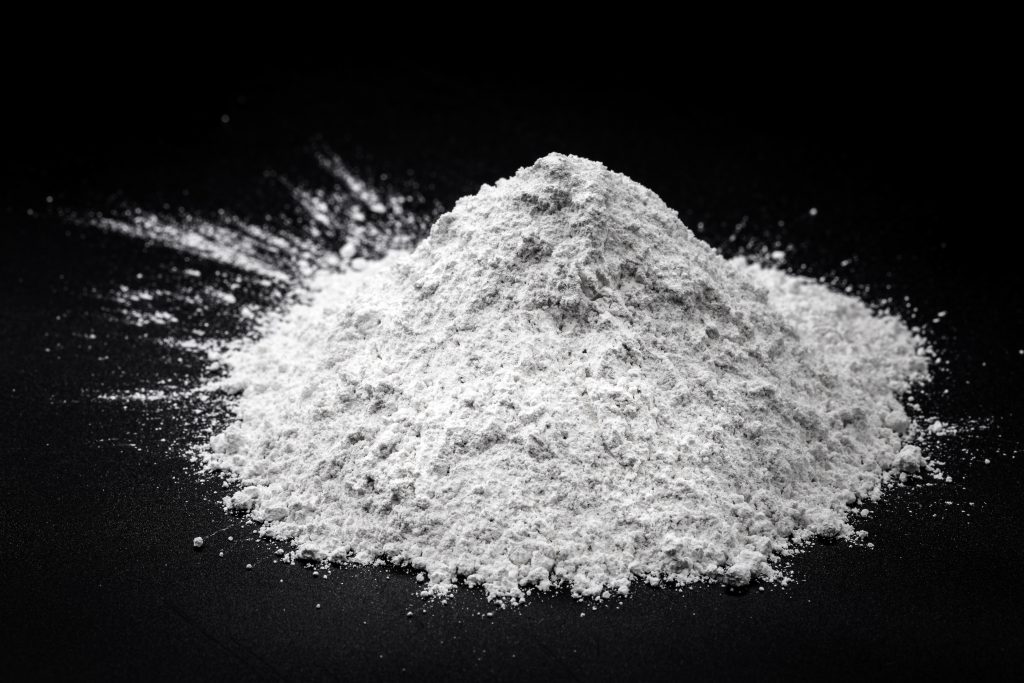
Titanium dioxide (TiO₂) is often used in self-cleaning coatings due to its photocatalytic properties. However, incomplete hydrolysis processes during sol-gel production lead to residual alkoxylation of the particle surfaces, which has a negative impact on the wettability of the films. A research team led by Hongzhang Deng and Bo Xiao has now developed a method to specifically modify TiO₂ films and thus significantly increase their self-cleaning potential.
The researchers used a two-step chemical modification with silane (KH550) and maleic anhydride to introduce carboxyl groups onto the TiO₂ surface. The successful functionalisation was verified using FTIR spectroscopy and thermogravimetry. The amount of silane used was crucial for the performance improvement: at a ratio of 50% KH550 based on the dry weight of TiO₂ (T-50), the films exhibited pronounced superhydrophilicity and above-average photocatalytic activity.
Event tip: Modern Functional Coatings – Self-Healing, Anti-Ice and Beyond
On 29 October 2025, the European Coatings seminar Modern Functional Coatings: Self-Healing, Anti-Ice and Beyond will take place online. The event explores advanced coating functionalities that go beyond corrosion protection and aesthetics – including anti-ice, anti-graffiti, self-healing and sharkskin effects. Participants will learn which of these functionalities are already market-ready, how they work, and what role nanotechnology plays. Topics include suitable coating systems, the control of specific effects, and the potential to combine multiple functionalities in a single formulation. If you’re looki ng to add innovative performance features to your coating systems, this online seminar offers valuable practical insights.
Application potential for self-cleaning surfaces
The improved properties enable more efficient degradation of organic contaminants under UV radiation and make the coated surfaces particularly water-attractive – a key aspect for applications in the field of self-cleaning. The combination of simple sol-gel production, targeted functionalisation and improved performance is likely to further increase interest in modified TiO₂ systems.
The results prove that targeted surface chemistry can be a decisive lever for the functionality of inorganic thin films – not only in the field of facade coatings, but also in optical or sensory applications.
Source: Deng, H., Xiao, P., Yang, L. et al.: Enhanced properties of TiO₂-based self-cleaning films through surface modification with silane/maleic anhydride, Journal of Sol-Gel Science and Technology, Volume 114, Pages 679–690, (2025). DOI: 10.1007/s10971-025-06666-1