News Coatings Technologies
Cerium oxide improves biocide release in antifouling paint
Researchers have incorporated cerium oxide nanoparticles as a non-toxic co-biocide into self-polishing antifouling paint. The additive improves antibacterial activity, increases hydrophilicity and enhances copper release, pointing to a more effective and environmentally friendlier approach to marine antifouling systems.
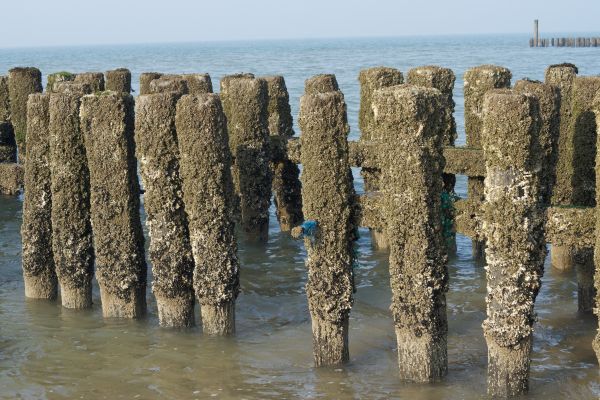
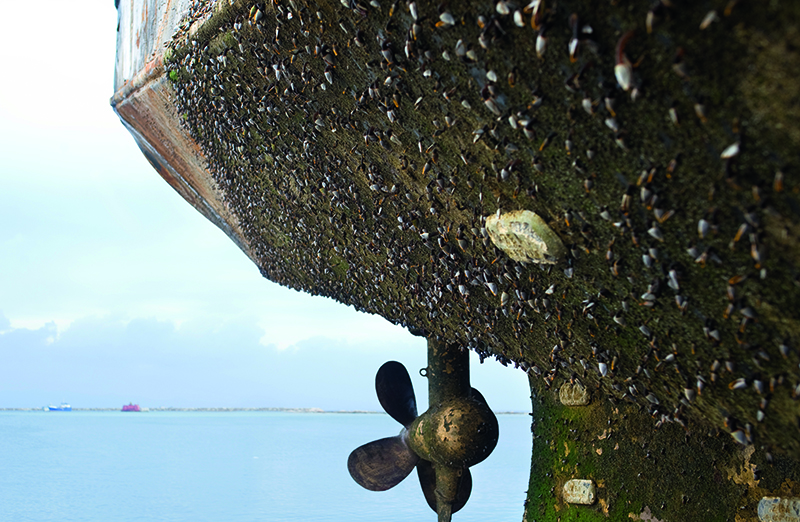
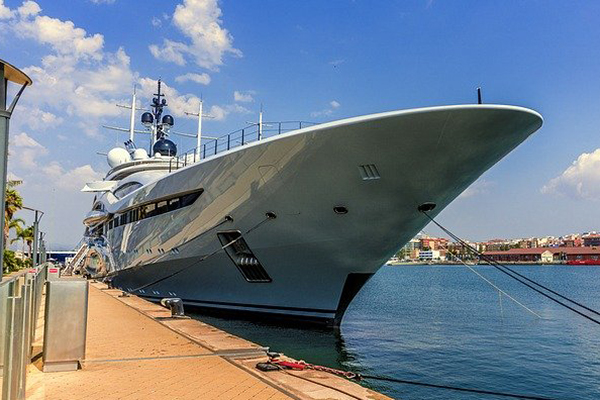
Marine biofouling continues to cause significant operational and economic burdens for maritime industries. Self-polishing antifouling (SPA) paints are considered a leading technology because they rely on a controlled surface hydrolysis mechanism to ensure a steady release of biocides. However, growing environmental concerns over conventional toxic antifoulants are driving the search for co-biocides that combine efficacy with reduced ecological impact. A recent study investigates cerium oxide (CeO₂) nanoparticles at loadings of 0.1 to 0.5 wt.-% as a non-toxic co-biocide in an SPA paint formulation.
The performance of the modified paints was evaluated with respect to three key parameters: antibacterial activity, surface hydrophilicity and biocide-release kinetics. Antibacterial testing against Pseudoalteromonas shioyasakiensis, a typical marine fouling bacterium, showed a marked improvement in efficacy compared with the reference paint, as confirmed by plate count tests. Water contact angle measurements further indicated a slight increase in surface hydrophilicity, a property associated with reduced initial microbial attachment.
Event tip:
The Sustainable Coatings Conference, which takes place on 3 – 4 November 2026 in Amsterdam, Netherlands, will provide practical insights into low‑carbon technologies, circular economy approaches, bio‑based and water‑based systems, and robust assessment methods such as LCA and mass balance. Learn how the industry is responding to regulatory pressure, customer expectations, and material constraints – and how sustainability can become a measurable business advantage rather than a compliance burden.
Copper release and coating morphology
The influence of CeO₂ nanoparticles on the biocide-release properties was analysed using leaching tests, electrochemical impedance spectroscopy (EIS), scanning electron microscopy with energy-dispersive X-ray spectroscopy (SEM-EDX) and optical microscopy (OM). Leaching tests revealed an increase in total copper release from 4.4 to 5.7 mg/cm² in the CeO₂-modified paints compared with the control. EIS measurements corroborated this observation by showing a lower coating impedance, corresponding to higher porosity and water permeability of the modified system.
SEM-EDX and OM observations confirmed that the CeO₂ nanoparticles promote the formation of a more porous and uniformly erodible matrix, favourable for the self-polishing mechanism. According to the authors, the synergy between SPA paint technology and CeO₂ nanoparticles delivers direct antibacterial action while simultaneously supporting a more effective self-polishing and biocide-release process. The formulation is presented as a promising and environmentally more favourable option for next-generation marine antifouling paints.
Source: Nikitasari, A. et al., Self-polishing antifouling paint with cerium oxide nanoparticles: antibacterial, hydrophilicity, and biocide-release performance. Journal of Coatings Technology and Research 23, 2805–2820 (2026).