News Coatings Technologies
Visible-light self-healing bio-based vitrimers enable recycling
Researchers have developed a new class of vanillin-based vitrimers that combine imine exchange with visible-light-responsive diselenide bonds. The dual dynamic covalent network enables rapid self-healing under visible light, thermal reprocessability and closed-loop chemical recycling into pure monomers.
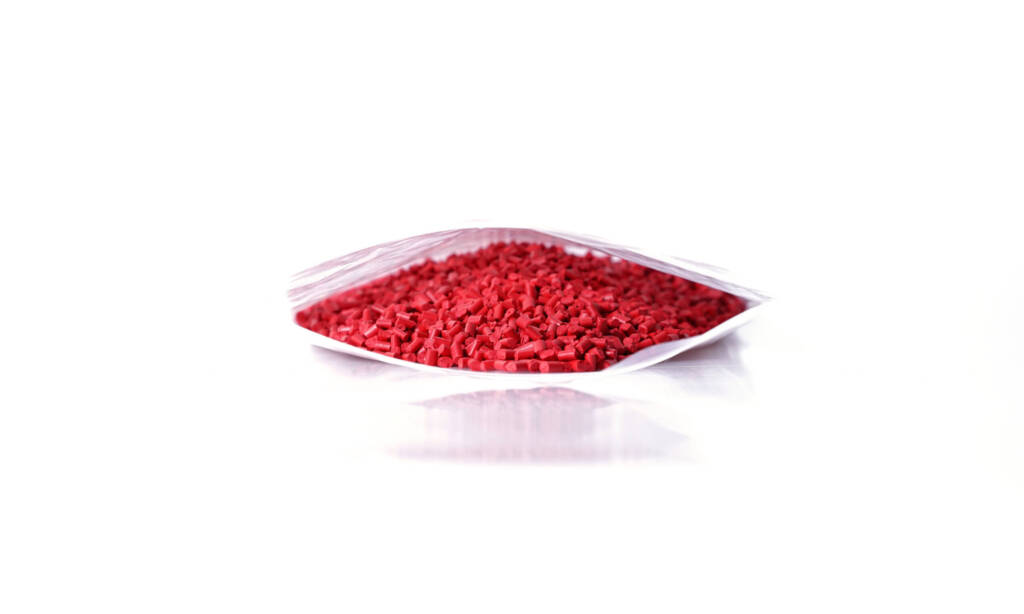
Developing sustainable thermosets that combine mechanical robustness, effective self-healing and closed-loop recyclability remains a persistent challenge in polymer chemistry. A recent study presents a class of bio-based diselenide polyimine vitrimers that address these requirements through a dual dynamic covalent network. The system integrates imine exchange with visible-light-responsive diselenide metathesis, all derived from renewable vanillin-based monomers.
The resulting materials show tunable mechanical properties, reaching tensile strengths of up to 21.6 MPa while maintaining high toughness at lower cross-link densities. This balance is often difficult to achieve in dynamic covalent networks, where reversibility can compromise mechanical performance.
Event tip:
The Sustainable Coatings Conference, which takes place on 3 – 4 November 2026 in Amsterdam, Netherlands, will provide practical insights into low‑carbon technologies, circular economy approaches, bio‑based and water‑based systems, and robust assessment methods such as LCA and mass balance. Learn how the industry is responding to regulatory pressure, customer expectations, and material constraints – and how sustainability can become a measurable business advantage rather than a compliance burden.
Visible-light self-healing and closed-loop recycling
Thanks to the dynamic diselenide bonds, the vitrimers self-heal rapidly under visible-light irradiation at mild temperatures of around 45 °C. This avoids the drawbacks associated with UV activation, such as material degradation and heat generation. In parallel, the reversible imine linkages enable efficient stress relaxation and thermal reprocessing, giving the material multiple end-of-life options.
Under mild acidic conditions, the vitrimers can undergo complete depolymerisation. The degradation products can be recovered as high-purity monomers and reused to produce new vitrimers with nearly identical mechanical properties, demonstrating a genuine closed-loop chemical recycling pathway. The combination of imine and diselenide bonds allows the network to respond to different external stimuli, uniting thermal reprocessability with visible-light-induced self-healing while preserving mechanical performance. The authors propose the concept as a design strategy for next-generation bio-based vitrimers with integrated light responsiveness and circularity, of potential relevance for future functional coating and adhesive systems.
Source: Tong, Z. et al., Dual dynamic bio-based vitrimers enabled by visible-light-responsive diselenide bonds for self-healing and closed-loop recycling. Polym. Chem. 17, 3486–3494 (2026).