News News
Essential oil boosts cassava–chitosan coating for fresh produce
Researchers have developed a fermented cassava starch–chitosan film incorporating Hyssopus officinalis essential oil to preserve fresh produce. The bio-based coating significantly reduces weight loss and fungal decay in cherry tomatoes, pointing to a sustainable alternative to conventional packaging.
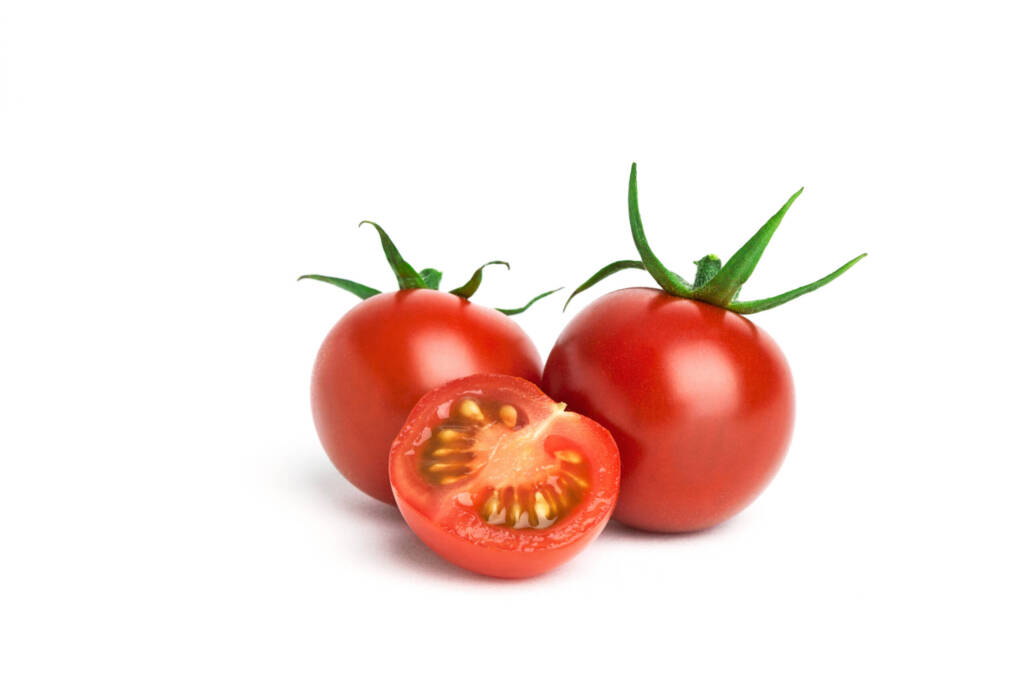
Fresh produce losses caused by moisture migration and fungal infection remain a persistent challenge for the food supply chain. A recent study explores a bio-based alternative to conventional packaging by combining fermented cassava starch (FCS), chitosan and Hyssopus officinalis essential oil (HOEO) into a functional coating and film system. The essential oil, known for its antimicrobial activity, had not previously been integrated into an FCS–chitosan composite matrix.
The researchers prepared films containing HOEO at concentrations of 0.2 % and 0.4 % (v/v) and evaluated their physicochemical, optical, morphological and biological performance. Incorporation of HOEO increased the pH of the coating emulsion and significantly enhanced structural integrity, moisture barrier properties, thermal stability and ultraviolet light shielding.
Reading tip:
Gain in-depth knowledge about the next generation of sustainable surface protection with “Sustainability of Coatings”. This essential resource addresses the environmental impact of coatings across their entire life cycle, guiding formulation chemists, engineers, R&D specialists, and decision-makers in quantifying and improving ecological performance. Dive deep into the principles of circular economy and climate protection in coatings technology.
Improved barrier properties and postharvest performance
The 0.2 % HOEO formulation reduced water vapour permeability by 33 % compared with the control. The authors attribute this improvement to synergistic interactions between HOEO droplets and the polymer matrix, which increased the tortuosity of water vapour diffusion, mitigated water-induced plasticisation and filled microstructural defects within the film network. Antifungal testing further demonstrated enhanced activity against Botrytis cinerea.
In postharvest trials, cherry tomatoes stored for 20 days at 25 °C and 60 ± 5 % relative humidity showed a 42 % reduction in weight loss and a 74.5 % reduction in Botrytis cinerea decay when treated with the 0.2 % HOEO coating, compared with uncoated controls. The 0.2 % formulation offered the best balance between quality preservation and antifungal efficacy. The findings indicate that HOEO-incorporated FCS–chitosan coatings represent a promising sustainable option for reducing postharvest losses of fresh produce and may inform the further development of bio-based functional coating systems.
Source: Bibi, A. et al., Multifunctional fermented cassava starch–chitosan films and coatings loaded with Hyssopus officinalis essential oil: Development, properties, postharvest preservation of cherry tomatoes. Progress in Organic Coatings (2026). https://doi.org/10.1016/j.porgcoat.2026.110224