News Coatings Technologies
In situ polymerising bioadhesive for oral mucosal wounds
Researchers have developed an ultrasound-responsive lipoic acid-based bioadhesive that polymerises in situ on oral mucosal wounds. The hydrogel combines targeted adhesion, appropriate mechanical properties and active wound-healing promotion, providing a promising candidate material for clinical oral mucosal wound repair.
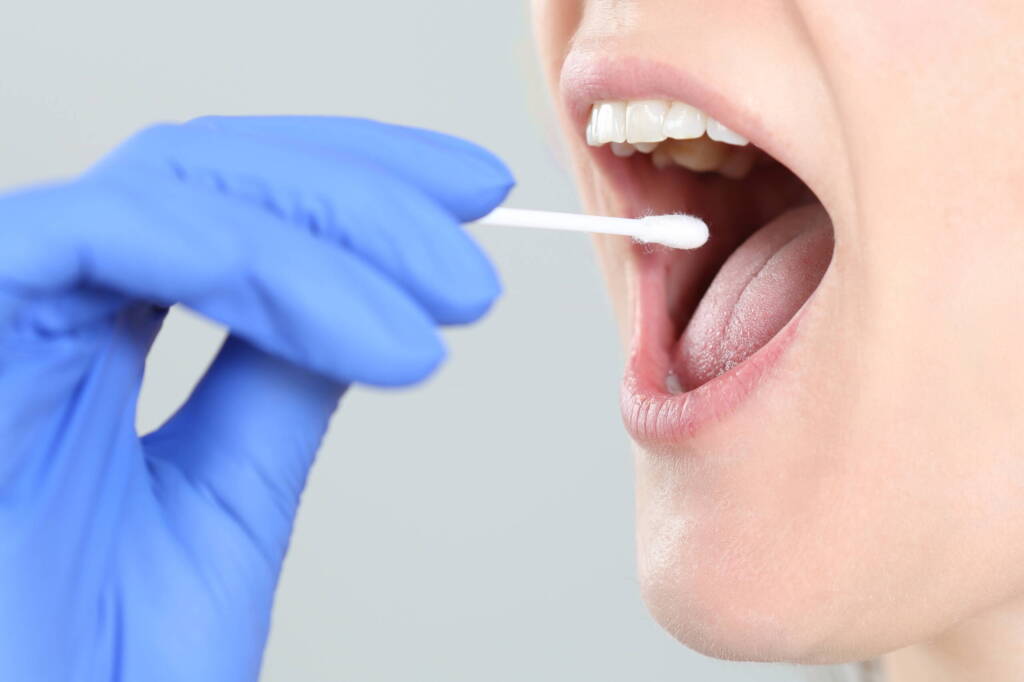
Oral mucosal wound repair remains a significant clinical challenge, as the humid and highly dynamic oral microenvironment creates conditions that limit the effectiveness of conventional treatment strategies. Bioadhesives have emerged as promising biomaterials capable of addressing many of these limitations, opening new avenues for reliable wound management in the oral cavity. In this context, Wei and colleagues developed an ultrasound-responsive lipoic acid-based bioadhesive designed to combine in situ polymerisation with targeted adhesion capabilities.
Lipoic acid (LA), a bio-based molecule containing a unique disulfide five-membered ring, was used as the monomer and dissolved in a tris(hydroxymethyl) aminomethane (Tris) solution to prepare the hydrogel precursor. After being injected onto oral wounds, the precursor rapidly gelled in situ under ultrasound stimulation, enabling precise and stable adhesion to the mucosal tissue. The resulting ultrasound-responsive polylipoic acid (UPLA) hydrogel exhibited appropriate adhesive strength and mechanical properties for use in the oral environment.
Reading tip:
Bio-based coatings The EC Tech Report “”Bio-based Coatings“” is a hand-picked compilation of all the key aspects concerning bio-based coatings, offering the latest technical developments. Leading R&D experts present their various binder developments, how binders can be produced sustainably and also how the performance of your coatings can be optimised. Exclusive market insights and data as well as an impressive package of digital bonus material round off this Tech Report.
Biocompatibility and wound-healing performance
Cell experiments confirmed the satisfactory biocompatibility of the UPLA hydrogel and demonstrated its ability to promote the migration of human oral keratinocytes (HOKs). In vivo studies further showed that the hydrogel achieved reliable adhesion to the rat oral mucosa and significantly accelerated wound healing compared to untreated controls. The therapeutic effect was attributed to the hydrogel’s capacity to promote epithelial regeneration and restore epithelial integrity, while at the same time reducing local inflammatory responses at the wound site.
By integrating in situ gelation, stable mucosal adhesion and active wound-healing promotion into a single bio-based material, the UPLA bioadhesive represents a novel candidate for clinical oral mucosal wound repair. From a broader materials perspective, the study also highlights the potential of lipoic acid as a versatile, sustainable building block for stimuli-responsive polymer systems, with possible spillover interest for the development of functional adhesives and coatings in other application fields.
Source: Wei, Y. et al., An ultrasound-responsive lipoic acid-based bioadhesive for oral mucosal wound repair. Journal of Materials Chemistry B 14 (28), 8768–8783 (2026).