News Coatings Technologies
CoSI 2026 highlights sustainability, digitalisation and advanced materials
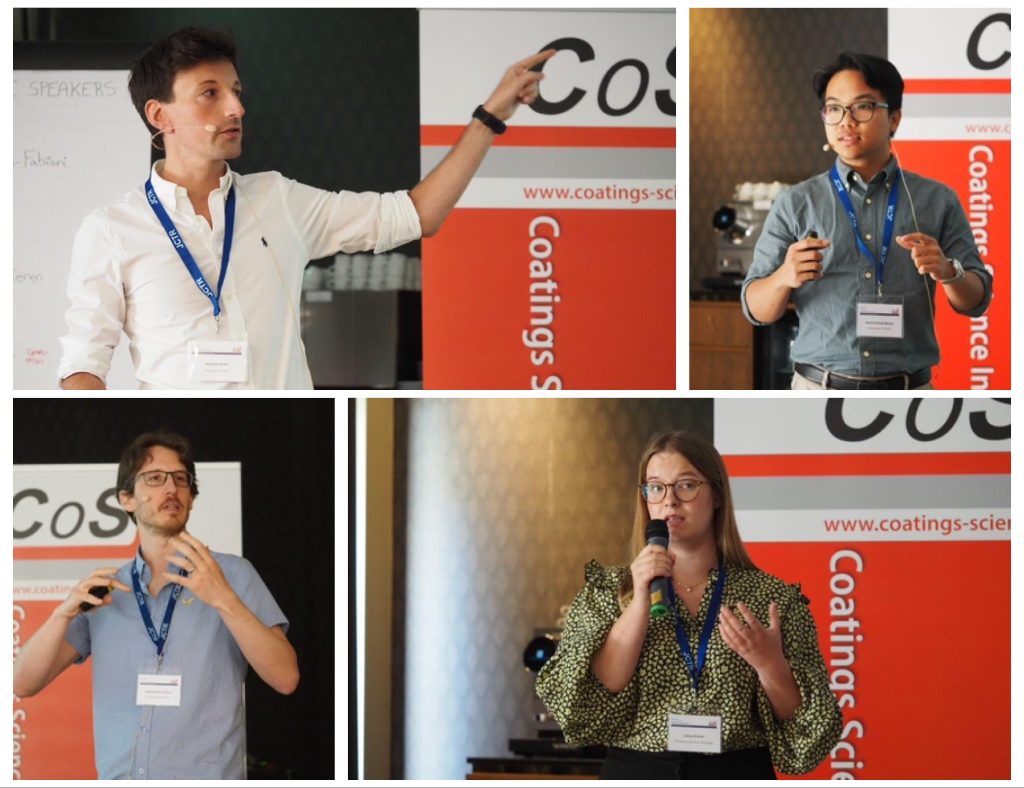
More than 75 researchers from academia and industry gathered in Noordwijk, the Netherlands, from 22–25 June 2026 for the 21st Coatings Science International Conference (CoSI). Hosted at the Alexander Hotel, the conference continued its long-standing tradition of combining high-level scientific exchange with an informal setting designed to encourage discussion and collaboration across the global coatings community. By Yeray López-Arauco
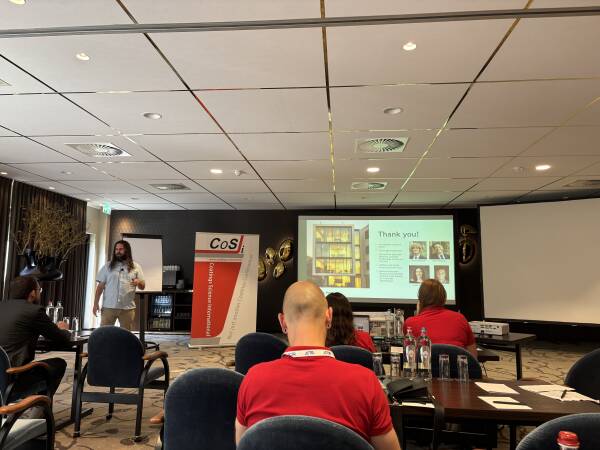
Founded in 2005 as the successor to the Athens Coatings Conferences, CoSI has established itself as a meeting point for fundamental and applied coatings science. The 2026 edition reflected many of the key themes currently shaping coatings research, including sustainability, circularity, corrosion protection, bio-based materials, digitalisation, artificial intelligence and advanced surface functionalities.
The scientific programme featured 29 oral presentations and an extensive poster session. Topics ranged from film formation in waterborne polyurethane dispersions and digital binder design through Monte Carlo simulations to bio-based epoxy systems, recyclable thermosets, self-decontaminating surfaces, smart anticorrosion coatings and PFAS-free technologies. The programme also highlighted emerging research in hydrogel antifouling coatings, passive daytime radiative cooling, bio-inspired antibacterial surfaces and advanced analytical techniques for coating characterisation. Alongside the technical sessions, the conference offered poster pitches, networking activities, a beach social programme and opportunities for informal discussions between early-career researchers, industrial scientists and senior academics. These interactions remain one of the defining characteristics of CoSI and reflect its mission of strengthening international collaboration in coatings science.
Recognising scientific excellence
As in previous editions, three traditional CoSI awards recognised outstanding scientific contributions presented during the conference. The Innovation Award was presented to Yi-Ru Chen (Eindhoven University of Technology) for the oral presentation “Closed-loop recyclable 1,3,5-triazine-based thermosets and coatings.” Chen’s work addressed one of the major sustainability challenges facing thermosetting polymers: enabling true closed-loop recycling without sacrificing performance. The presented epoxy thermosets are based on dynamic nucleophilic aromatic substitution (SNAr) chemistry using 1,3,5-triazine building blocks. The materials combine high thermal and mechanical performance with the ability to depolymerise into reusable monomers and be repolymerised into materials with essentially identical properties. The work also demonstrated the applicability of these recyclable networks as functional coatings, illustrating a promising route towards recyclable-by-design thermosets.
The Science Award went to Mitchell Winnik (University of Toronto) for the presentation “Coalescence and film formation of urethane-acrylate blends.”Winnik presented fundamental studies on the film formation of reactive blends of polyurethane dispersions and acrylic latexes using Förster Resonance Energy Transfer (FRET). By monitoring polymer diffusion and intermixing during drying, the work provides molecular-level insight into coalescence mechanisms in industrial waterborne coating systems. Such understanding is essential for designing next-generation waterborne binders with improved performance while reducing reliance on organic solvents.
The Creativity Award recognised Francesca Raimondi (Politecnico di Milano) for poster P9. Although posters often receive less visibility than oral presentations, CoSI’s dedicated poster pitches and discussion sessions are designed to highlight innovative early-stage research. The Creativity Award recognises originality, scientific quality and the ability to communicate new ideas effectively.