News Coatings Technologies
Keratin/bio-MOF coating protects bioresorbable bone implants
Researchers have developed a multifunctional keratin/bio-MOF composite coating for magnesium alloy bone implants. Applied by electrospraying, the coating combines self-healing behaviour, antioxidant activity and osteogenic potential with effective corrosion protection.
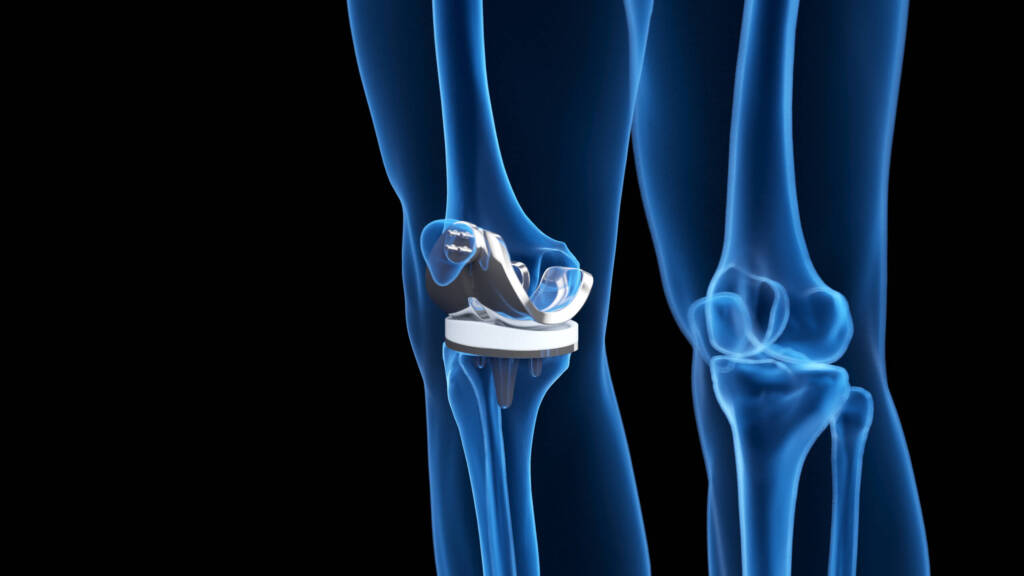
Biodegradable magnesium alloys are attractive candidates for temporary bone implants, but their rapid corrosion in physiological environments limits clinical application. A research team led by Moeini Pour and Kharaziha has now developed a multifunctional composite coating that simultaneously addresses corrosion resistance, bioactivity and self-healing capability on AZ91 magnesium alloy substrates.
The coating combines keratin – extracted from pigeon feathers – with a bio-metal–organic framework (bio-MOF) synthesised from copper and a curcumin ligand. The keratin/bio-MOF composites (M-(K/MOF)) were applied by electrospraying for varying durations of one, two and three hours to identify the optimum coating architecture.
Reading tip: Corrosion protection coatings
The book “Anticorrosive Coatings: Fundamentals and New Concepts” brings together all the disciplines involved in the creation and use of corrosion protection coatings for metals. It presents the latest insights into the quality and chemistry of surfaces, the proper way to prepare them by conversion treatment, the function of resins and anticorrosion pigments in paints, and novel concepts in corrosion protection. As an added bonus, all the standards and directives mentioned in the text are grouped together in their own chapter for a better overview.
Self-healing through reversible crosslinking
The coatings demonstrated significant self-healing behaviour attributed to reversible keratin crosslinking combined with the controlled release of curcumin from the bio-MOF. The optimised M-(K/MOF)2 variant achieved 77 ± 2 % radical inhibition within 24 hours, confirming notable antioxidant activity, alongside in vitro bioactivity and pronounced cytocompatibility.
In addition to corrosion protection, the coatings supported osteogenic activity, indicating their potential to promote bone regeneration. The synergistic combination of self-healing, bioactivity and barrier protection positions these keratin/bio-MOF composite coatings as a promising candidate for next-generation biodegradable bone implant applications.
Source: Moeini Pour, F. et al., Engineering a self-healable and bioactive keratin/bio-MOF coating on magnesium alloy for potential bone tissue engineering. Progress in Organic Coatings (2026), https://doi.org/10.1016/j.porgcoat.2026.110216.