News Coatings Technologies
Bio-based anticorrosive coatings from pig manure
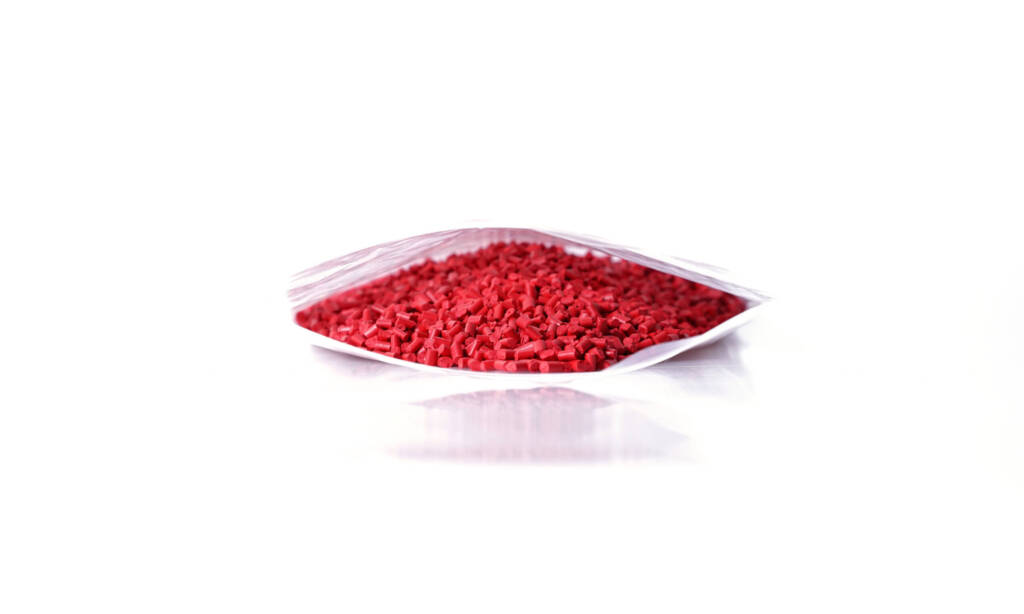
German paint manufacturer Oellers and Niederrhein University of Applied Sciences are developing a process to extract phytic acid from pig manure and use it as a bio-based functional component in anticorrosive coatings – matching conventional product performance.
Protective and decorative coatings still rely heavily on additives derived from fossil sources. The Aldenhoven-based paint manufacturer Oellers has now partnered with Niederrhein University of Applied Sciences (HSNR) and special machinery builder 3WIN to develop a process that produces key functional materials for anticorrosive coatings from agricultural waste streams. The resulting coatings are said to deliver equivalent quality and performance to their conventional counterparts.
Since 2024, Oellers has been collaborating with HSNR on two research projects – “P-REx” and “BioPhosCoat” – aimed at processing agricultural residues for use in industrial paint production. In the P-REx project, phytic acid is extracted from pig manure using enzymatic processes, and the phosphorus it contains is made available for use as a binder component.
Reading tip
Learn more about current approaches to produce coatings in a more environmentally friendly way and to give coated products a longer service life in the EC Tech Report Sustainability. In addition, its handpicked content dives deeply into the European Green Deal, its key points and main purpose as well as consequences for the coatings industry.
Laboratory trials to optimise phytic acid modification
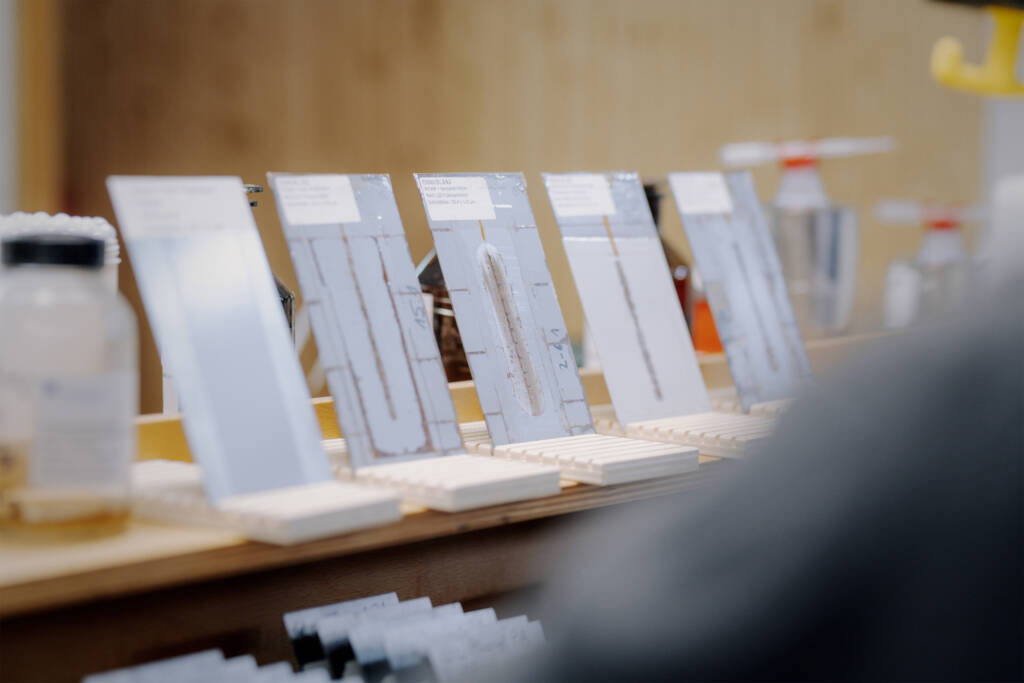
“Our coatings engineers are currently testing in our in-house laboratory which modification of phytic acid achieves the best results in our coatings,” reported managing director Paul Oellers on the project’s progress. The company, now in its second generation of family ownership, has a long-standing commitment to improving the environmental profile of its products, having already incorporated renewable raw materials such as alkyd resins and fatty acids from vegetable oils sourced from regional suppliers.
The projects, funded by the state of North Rhine-Westphalia and the German federal government, attracted a visit from Mona Neubaur, the state’s Deputy Minister-President and Minister of Economic Affairs, in February 2026. During her “NRW Innovation Tour,” Neubaur praised the partnership between industry and academia as an example of turning inventions into marketable solutions.
Agricultural waste as a raw material source
The approach addresses two challenges simultaneously: reducing the coatings industry’s dependence on fossil-based raw materials and valorising abundantly available agricultural residues. If successfully scaled, bio-based phosphorus derived from livestock manure could offer a sustainable alternative for functional coating ingredients, particularly in the anticorrosive segment. The research projects represent a continuation of Oellers’ broader strategy to integrate bio-based and regionally sourced raw materials into its product portfolio.
Source: Oellers Immex Produktions- und Vertriebs-GmbH & Co. KG, Nachhaltig gut für die Umwelt: Lacke aus Schweinegülle. Press release, March 2026.