News Raw Materials
Circular economy in Saxony, Germany: agricultural residues transformed into membranes and coatings
A new early-career research group at TU Bergakademie Freiberg is developing processes to convert agricultural residues into functional materials such as membranes, coatings and packaging. The project combines green chemistry with ecological and economic assessments – offering potential benefits to more than 18,000 bio-economy enterprises in Saxony.
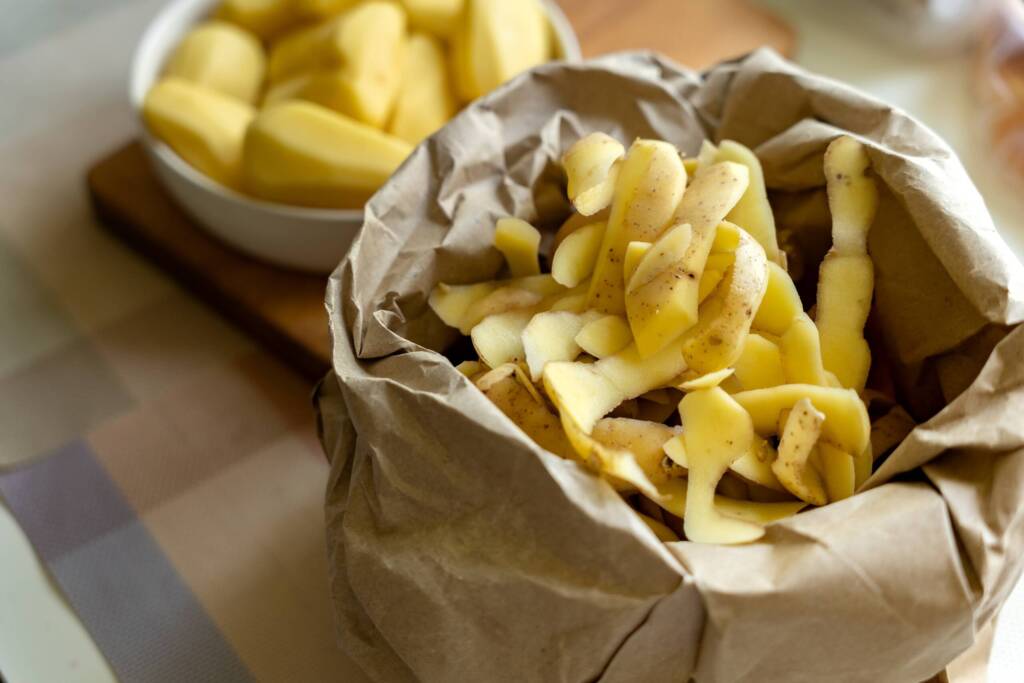
The newly established “BioWin” research group is working on transforming agricultural waste into high-value functional materials. The team focuses on residues such as rapeseed straw, fruit pomace and potato peels, aiming to break them down using sustainable mechanical processes and green solvents. The extracted components are then reassembled into micro- and nanofibres or thin functional layers via electrospinning, wet spinning or spray coating.
The overarching objective is to utilise as much of the biomass as possible and to establish fully sustainable process chains. Beyond laboratory development, the team also evaluates whether the upcycled materials can be used economically and sustainably by companies in Saxony. Simulation data and potential analyses will be made available to industry partners through a dedicated database.
Reading tip: Bio-based coatings
The EC Tech Report “Bio-based Coatings” is a hand-picked compilation of all the key aspects concerning bio-based coatings, offering the latest technical developments. Leading R&D experts present their various binder developments, how binders can be produced sustainably and also how the performance of your coatings can be optimised. Exclusive market insights and data as well as an impressive package of digital bonus material round off this Tech Report.
Sustainability, economic feasibility and regional innovation
Under the leadership of Dr Vanessa Castro, the group integrates topics such as sustainability, entrepreneurship, diversity and equality. The research team will also contribute to the Freiberg Center for Circular Economy (FCCE), the university’s central hub for circular-economy innovation.
The project is funded with approximately EUR 1.2 million from the European Social Fund Plus (ESF Plus) and the Free State of Saxony. It aims to strengthen sustainable and digital economic structures while improving the training of specialists in the regional bio-economy.
Source: Technische Universität Bergakademie Freiberg, 2025.